
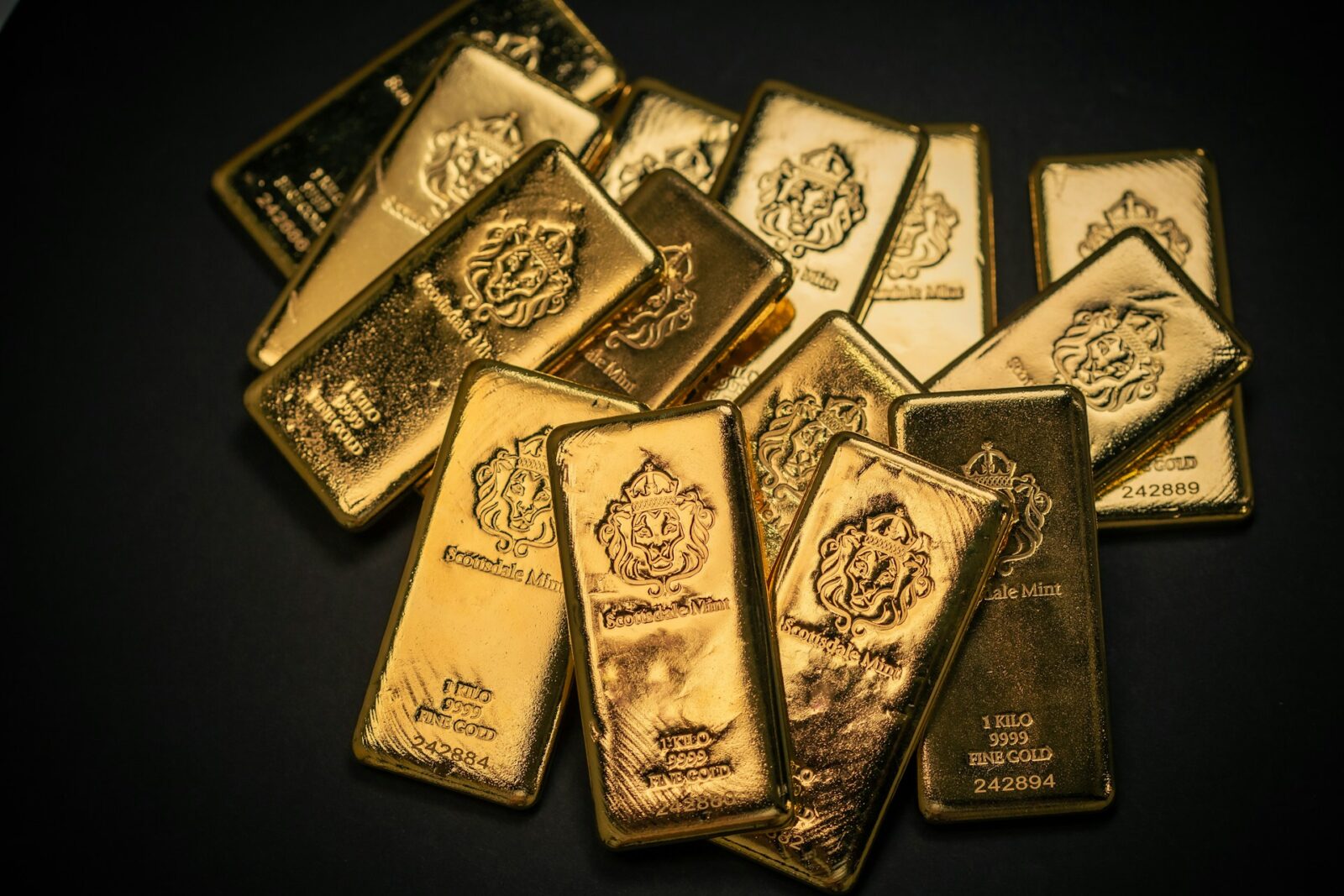
Gold Price Outlook Weakens as Fed Rate-Cut Expectations Fade
Gold prices edged lower after a surprisingly strong US jobs report dampened expectations for near-term Federal Reserve rate cuts. The gold price outlook has turned more cautious in the short term, as investors reassess how quickly monetary policy may ease in 2026.
Bullion slipped as much as 0.8% in Thursday trading, following a 1.2% gain in the prior session. Fresh data showed US payrolls rose at the fastest pace in more than a year, while the unemployment rate unexpectedly declined in January. The figures suggest the labor market remains resilient, reinforcing the view that the Fed may not rush to lower borrowing costs.
For precious metals, this matters. Lower interest rates typically support gold prices, since the metal does not generate yield. A delay in rate cuts, however, increases the appeal of interest-bearing assets and strengthens the US dollar—both of which can weigh on bullion.
Why the US Jobs Report Matters for Gold
The latest employment data has pushed traders to reconsider the timing of the next rate cut. Many market participants had anticipated a move as early as June, but expectations are now shifting toward July or later.
A stronger labor market gives the Federal Reserve more room to hold rates steady. With inflation still a concern and economic momentum intact, policymakers may prefer patience over preemptive easing.
This shift in expectations immediately affected the gold price forecast, as investors trimmed bullish bets built on hopes of aggressive monetary easing. Even so, gold has managed to hold above the psychologically important $5,000 level—an indication that underlying demand remains firm.
Gold Remains Elevated Despite Historic Volatility
Although prices have pulled back modestly, gold remains significantly higher than it was just a year ago. After surging to a record above $5,595 in late January, bullion experienced a dramatic correction, plunging roughly 13% over two trading sessions in what became one of the sharpest short-term declines in over a decade.
That rally had been fueled by speculative buying, geopolitical tensions, concerns about fiscal stability, and broader debates over central bank independence. Once positioning became crowded, volatility spiked and profit-taking accelerated the downturn.
Now, the market appears to be transitioning from a momentum-driven phase to a more measured consolidation period.
Long-Term Gold Price Forecast Still Bullish
Despite short-term headwinds, many major financial institutions maintain a constructive long-term outlook on gold. Analysts argue that the structural drivers supporting the metal remain intact:
- Persistent geopolitical risks
- Elevated global debt levels
- Ongoing diversification away from sovereign bonds
- Continued central bank buying
- Concerns about currency debasement
Several banks project gold could approach or even exceed $6,000 per ounce by year-end, provided macro conditions remain supportive.
In other words, while the pace of gains may slow, the broader gold price forecast for 2026 remains tilted to the upside.
Silver’s Volatility Highlights Market Sensitivity
Silver, often more volatile than gold due to its smaller market size and industrial exposure, experienced sharper price swings. After jumping more than 4% in the previous session, silver fell as much as 3.2% on Thursday.
Unlike gold, silver’s price dynamics are influenced not only by investment demand but also by industrial consumption, particularly in electronics, renewable energy, and manufacturing. Recent data indicates the silver market is headed for its sixth consecutive year of supply deficits, as investment demand outpaces jewelry and solar-sector usage.
However, silver remains roughly one-third below its January peak, reflecting just how dramatic the recent correction has been.
China’s Role in Precious Metals Demand
China continues to play a critical role in shaping global precious metals markets. Industrial demand and investment flows have tightened domestic silver supplies, draining warehouse inventories.
To stabilize the market, the Shanghai Futures Exchange has introduced measures to limit contract delivery by certain hedging participants. Such regulatory adjustments can influence short-term liquidity and price behavior, especially during periods of heightened volatility.
For gold, Chinese retail and institutional buying often intensifies during price dips, helping to cushion declines. Whether that pattern holds in the coming weeks could significantly influence the next leg of the rally.
Dollar Strength and Gold’s Next Move
The US dollar has remained relatively steady following the jobs report, limiting gold’s upside potential. Historically, a stronger dollar makes gold more expensive for international buyers, creating downward pressure.
Still, the broader macro backdrop remains fluid. Any signs of slowing growth, cooling inflation, or geopolitical escalation could quickly revive expectations for rate cuts—reinvigorating the precious metals complex.
Market participants are now closely watching upcoming inflation data and Federal Reserve commentary for clues about policy direction.
Is Gold Entering a Consolidation Phase?
Many strategists believe gold is shifting from an acceleration phase to a consolidation phase. Rather than explosive gains driven by speculative momentum, future price action may depend more heavily on confirmed macroeconomic developments.
This environment typically favors disciplined investors over short-term traders. While volatility remains elevated compared to historical averages, price movements are becoming increasingly tied to economic data rather than purely sentiment-driven flows.
Strong Jobs Data Pauses—but Doesn’t End—Gold’s Bullish Case
The recent dip in gold following a strong US jobs report underscores how sensitive the metal is to shifts in interest-rate expectations. As traders push back the timeline for Federal Reserve rate cuts, short-term pressure on bullion has emerged.
However, the broader structural narrative supporting gold remains largely unchanged. Geopolitical uncertainty, fiscal concerns, and global diversification trends continue to provide a foundation for long-term demand.
While gains may be more measured in the months ahead, the gold price outlook still reflects resilience. If economic conditions soften or rate-cut expectations resurface, bullion could regain upward momentum.
For now, gold appears to be stabilizing above key psychological levels—consolidating rather than collapsing—suggesting the long-term bull case is intact, even if the path forward proves more volatile.