
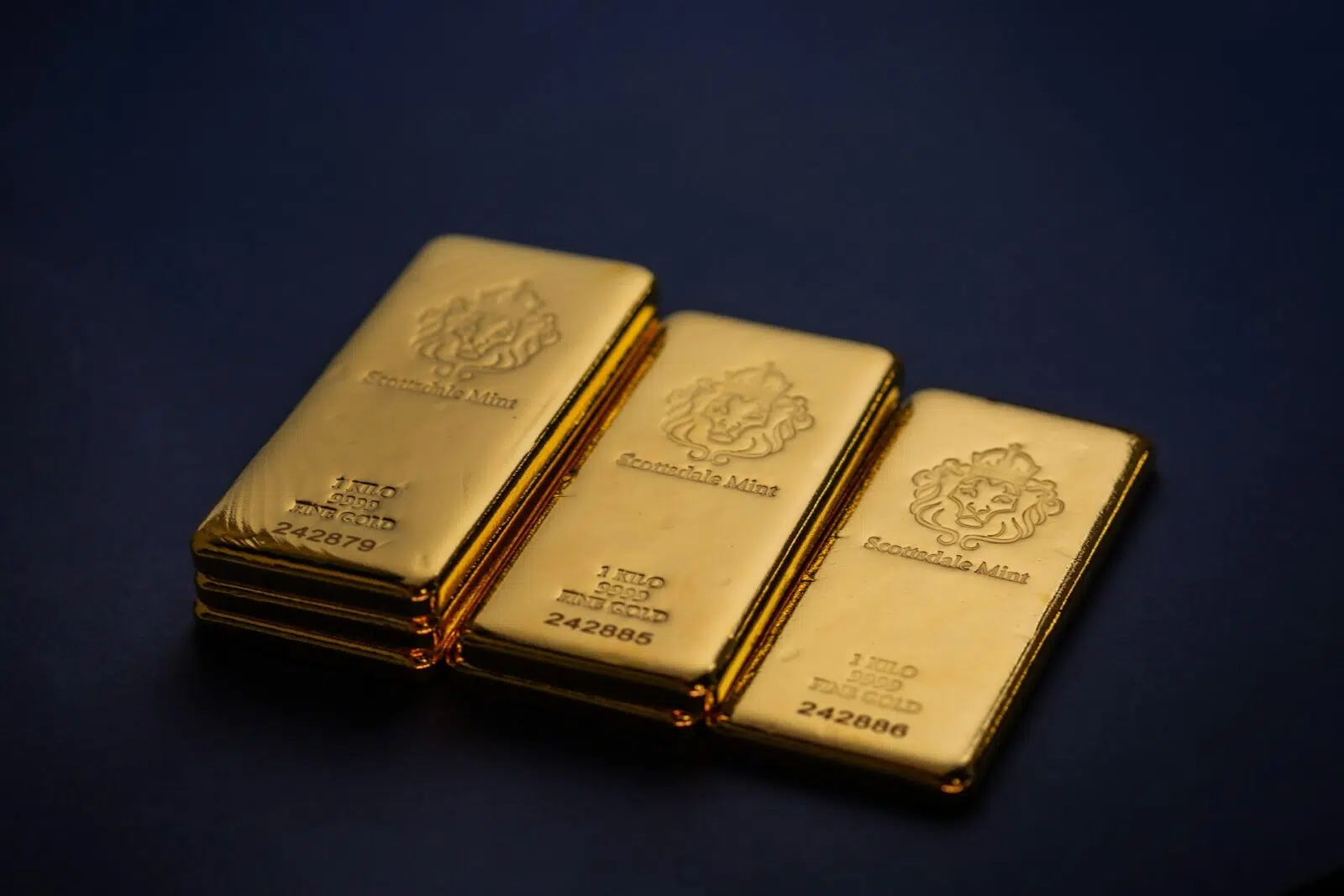
The once-relentless rally in precious metals has abruptly reversed, sending shockwaves through global markets. After months of record-breaking gains fueled by fears of currency debasement, geopolitical instability, and aggressive speculation, gold and silver prices have entered a sharp and volatile correction. What began as profit-taking has rapidly morphed into a broad unwind of what many traders now describe as an “overcrowded trade,” forcing investors to reassess both risk and positioning across the precious metals complex.
A Historic Rally Meets a Brutal Reality Check
Gold prices extended losses at the start of the week following their steepest single-day decline in more than a decade. At one point, spot gold fell nearly 10% in a single session, leaving prices down close to 20% from their recent all-time high. Silver fared even worse, plunging as much as 16% and erasing its entire year-to-date advance in a matter of days.
The speed and severity of the selloff caught many market participants off guard. What had been viewed as a defensive, long-term positioning trade quickly turned into a scramble for liquidity as volatility surged and leveraged bets were forced to unwind.
Why the Gold Trade Became Too Crowded
Market veterans point to excessive positioning as the primary culprit behind the sudden collapse. As gold and silver surged to unprecedented levels earlier this year, speculative interest ballooned across futures, options, and exchange-traded products.
“The trade simply became too crowded,” said one former precious metals trader, noting that when too many investors are positioned on the same side of the market, even a modest catalyst can trigger an outsized reaction. Once prices began to fall, liquidity thinned rapidly as traders rushed to exit positions, intensifying downside momentum.
This dynamic was especially pronounced in derivatives markets. Heavy call option buying during the rally mechanically pushed prices higher, as dealers were forced to hedge by purchasing additional metal. When sentiment flipped, the same mechanism worked in reverse, amplifying the decline.
China’s Role: Speculation, Demand, and the Lunar New Year
Chinese investors played a significant role in both the ascent and the retreat of precious metals prices. During the rally, waves of speculative capital flowed into gold and silver amid concerns over global debt and currency stability. That influx added fuel to an already overheated market.
As prices collapsed, attention quickly shifted to whether Chinese buyers would step in to support the market. While international prices continued to slide, domestic gold prices in China remained at a premium, reflecting resilient retail demand. Over the weekend, shoppers reportedly crowded bullion markets in major cities to buy jewelry and bars ahead of the Lunar New Year.
However, analysts caution that heightened volatility and the upcoming holiday closure of China’s financial markets are likely to encourage traders to reduce exposure rather than add risk. While retail buying may offer short-term support, it is unlikely to fully offset the scale of institutional selling seen in recent sessions.
The Policy Shock That Sparked the Rout
Although precious metals were already vulnerable due to stretched valuations, the immediate trigger for the sharp selloff came from shifting expectations around U.S. monetary policy. News that President Donald Trump plans to nominate Kevin Warsh as the next Federal Reserve chair sent the U.S. dollar higher and rattled investors who had been betting on looser policy and a weaker currency.
Warsh is widely viewed as one of the most hawkish candidates under consideration, reinforcing expectations that inflation-fighting will remain a priority. A stronger dollar typically weighs on gold prices, as the metal is priced in greenbacks and becomes more expensive for non-U.S. buyers.
The abrupt repricing of interest rate and currency expectations proved enough to break market confidence, especially among traders already sitting on substantial profits.
Liquidity Stress and Forced Selling
Beyond macro headlines, structural factors also contributed to the violence of the move. Soaring prices and volatility had already strained traders’ risk models and balance sheets. As losses mounted, margin calls and risk limits forced systematic selling across futures and ETFs.
According to market analysts, bullion-backed exchange-traded funds saw significant outflows, while leveraged positions were rapidly unwound. This “wholesale exit” phase tends to be disorderly, as selling begets more selling until speculative excess is flushed out of the system.
Do the Fundamentals Still Support Gold?
Despite the sharp correction, many analysts argue that gold’s long-term fundamentals remain intact. The same drivers that powered the rally—elevated global debt, geopolitical uncertainty, concerns about fiat currencies, and central bank diversification—have not disappeared.
Some strategists maintain that once the forced selling subsides, investors will refocus on these broader themes. From this perspective, the current plunge represents a painful but temporary reset rather than the end of the precious metals bull market.
Silver, however, may face a more complex recovery. The white metal’s rally was partly driven by tight supply conditions and speculative flows. With sentiment shaken and investment demand cooling, some analysts expect supply pressures to ease, potentially limiting near-term upside compared to gold.
What Happens Next for Precious Metals?
In the short term, volatility is likely to remain elevated. Traders will be watching closely to see whether dip-buying emerges in Asia once holiday disruptions pass and whether U.S. dollar strength persists. A stabilization in interest rate expectations could help calm markets, but confidence will take time to rebuild after such a dramatic reversal.
For long-term investors, the episode serves as a reminder that even fundamentally supported trades can become dangerous when positioning grows excessive. Timing, risk management, and diversification remain critical—especially in markets prone to speculative surges.
Conclusion
The sharp plunge in gold and silver marks a dramatic turning point after one of the most powerful precious metals rallies in decades. While the selloff has been fueled by overcrowded positioning, policy surprises, and forced liquidation, the underlying macro forces that originally attracted investors have not vanished. Whether this correction evolves into a prolonged downturn or sets the stage for a more sustainable recovery will depend on how quickly speculative excess is cleared and confidence returns. For now, the message from the market is clear: even safe-haven assets are not immune when too many traders crowd into the same bet.