
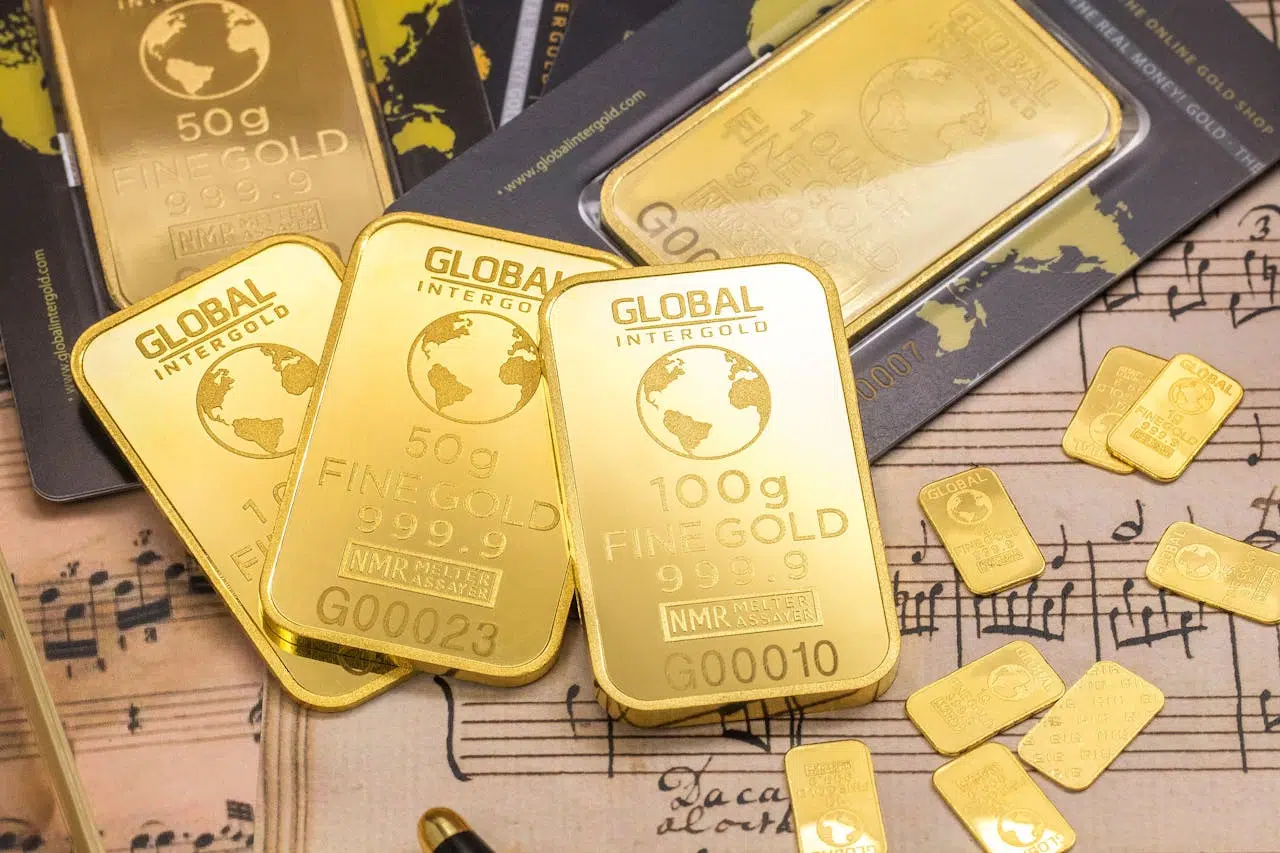
Gold has entered uncharted territory in dramatic fashion. The precious metal surged beyond $5,000 per ounce for the first time ever, marking one of the fastest and most powerful rallies in modern commodity market history. The move has stunned traders and investors alike, reinforcing gold’s role as a safe-haven asset amid rising global uncertainty, currency concerns, and mounting government debt.
A Milestone Fueled by the ‘Debasement Trade’
The breakout above $5,000 did not happen in isolation. Gold’s rally has become a defining feature of the so-called debasement trade, where investors seek protection against the erosion of purchasing power caused by excessive fiscal spending and ballooning sovereign debt. As confidence in fiat currencies wavers, demand for hard assets like gold has intensified.
Market participants increasingly view gold as insurance against long-term monetary instability rather than a short-term trade, pushing prices to levels once considered implausible.
Weaker Dollar Amplifies Gold’s Appeal
A softening U.S. dollar has added fuel to the rally. When the dollar weakens, gold becomes cheaper for buyers using other currencies, naturally boosting global demand. The recent slide in the dollar index has coincided with gold’s surge, reinforcing a long-standing inverse relationship between the two assets.
For international investors, this currency dynamic has turned gold into an even more attractive store of value, accelerating inflows from both institutional and retail buyers.
Interest Rate Expectations Support Bullion
Gold’s rise has also been supported by expectations that interest rates will remain lower for longer. As a non-yielding asset, gold benefits when real yields decline, reducing the opportunity cost of holding bullion versus bonds or cash.
Last year’s rate cuts played a major role in gold’s strongest annual performance since 1979, and traders continue to price in a policy environment that favors precious metals over traditional income-producing assets.
Geopolitical Risk Drives Safe-Haven Demand
Geopolitical uncertainty has consistently acted as a catalyst for gold’s upside moves. From trade tensions to leadership upheavals and strategic disputes, each escalation has reinforced gold’s status as a hedge against global instability.
The metal has rallied sharply following every major geopolitical flashpoint this year, highlighting how quickly capital flows into gold when risk sentiment deteriorates.
Central Banks Are Not the Only Buyers
While central banks have continued to diversify reserves by increasing gold holdings, the scale of the rally suggests private investors are playing a growing role. Exchange-traded funds, wealth managers, and individual investors have poured capital into gold as part of broader diversification strategies.
The synchronized rise across gold, silver, and platinum further signals that this move extends beyond isolated institutional buying and reflects widespread concern about macroeconomic risks.
Precious Metals Join the Breakout
Gold is not alone in this historic surge. Silver has climbed above $100 per ounce, while platinum has posted gains exceeding 40% year-to-date. The broad-based strength across precious metals suggests structural demand rather than speculative excess alone.
Meanwhile, industrial metals such as copper have also hit record highs, reinforcing the narrative that global supply constraints and long-term demand trends are reshaping commodity markets.
Is the Rally Sustainable?
Despite the breathtaking pace of gains, many analysts argue that gold’s rally is being driven by long-term structural forces, not short-term euphoria. Rising debt levels, persistent geopolitical risks, and currency volatility continue to provide a supportive backdrop.
That said, sharp pullbacks remain possible as markets digest gains. Still, unless global conditions materially improve, dips are likely to attract buyers rather than signal a trend reversal.
Conclusion
Gold’s climb above $5,000 an ounce marks a defining moment for global markets. It reflects deep-seated concerns about monetary stability, fiscal discipline, and geopolitical risk that are reshaping investor behavior worldwide. Whether prices consolidate or push even higher, gold’s historic rally underscores a clear message: in uncertain times, hard assets remain essential for protecting wealth and preserving long-term purchasing power.