
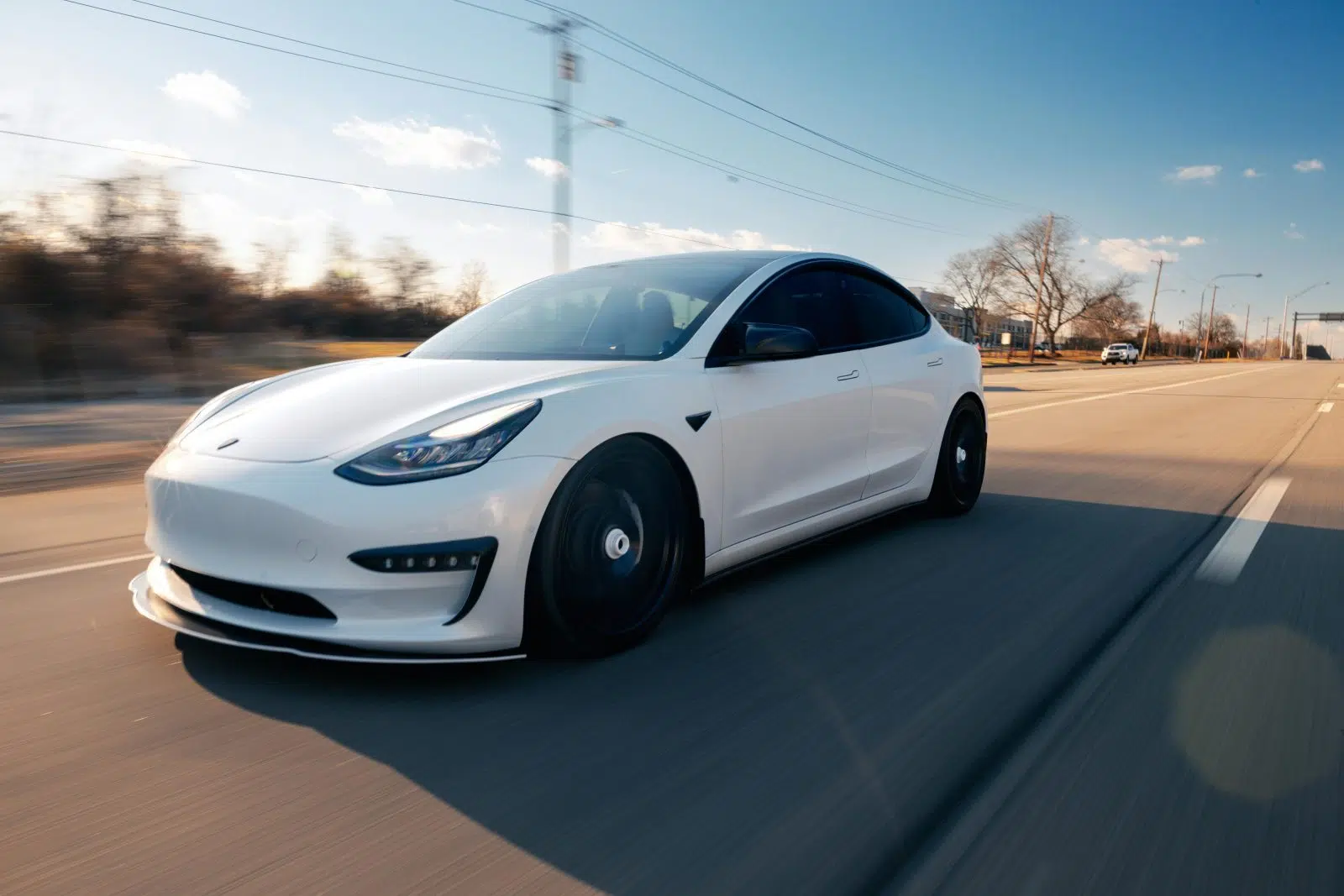
The idea of owning a car has long symbolized freedom, independence, and control. But that definition is quietly changing. Tesla’s decision to push Full Self-Driving (FSD) further into a monthly subscription model underscores a broader transformation sweeping through technology, transportation, and consumer products. What was once sold as a one-time upgrade — even framed as an “appreciating asset” — is increasingly becoming another recurring bill.
This move doesn’t just reshape how drivers pay for autonomy. It highlights a deeper shift toward subscription-based mobility, where software, data, and ongoing payments matter more than physical ownership.
From One-Time Upgrade to Monthly Fee
For years, Tesla marketed Full Self-Driving as a premium add-on buyers could purchase outright. That narrative aligned neatly with CEO Elon Musk’s vision of autonomy eventually making vehicles more valuable over time. Today, however, Tesla’s strategy is evolving.
By emphasizing monthly FSD subscriptions, Tesla lowers the upfront cost while creating a steady, predictable revenue stream. From a business standpoint, it’s a powerful shift: subscriptions smooth earnings, boost lifetime customer value, and keep users locked into the ecosystem. For drivers, though, it raises an uncomfortable question — do you really own your car if its most advanced features can be switched off?
Why Subscriptions Are So Tempting for Tech Companies
Tesla’s move is not happening in isolation. Across industries, companies have discovered that recurring payments are easier to sell — and harder to escape. Streaming services, cloud storage, productivity tools, and fitness apps all thrive on the same model.
Software, in particular, lends itself to this approach. Once your data, habits, or daily routines are embedded in a platform, canceling becomes inconvenient. Want to stop paying for cloud storage? Migrating years of photos and files suddenly feels overwhelming. That friction is by design.
Automakers are now borrowing directly from Silicon Valley’s playbook, transforming vehicles into rolling software platforms rather than static products.
Cars, Connectivity, and Consumer Pushback
Consumers haven’t always welcomed this shift. The backlash against paywalled features — like heated seats locked behind monthly fees — revealed just how sensitive drivers are to subscriptions tied to core vehicle functions.
Still, connected-car services have survived and expanded. Legacy systems like OnStar paved the way, and Tesla is taking the concept much further by placing autonomy, safety, and future robotaxi capabilities behind software access.
Regulators have noticed. Last year, the Federal Trade Commission reached a historic settlement with Amazon, citing allegations that users were enrolled in subscriptions without clear consent and faced unnecessary obstacles when trying to cancel. As vehicle subscriptions grow, similar scrutiny could follow automakers.
FSD and Tesla’s Bigger AI Ambitions
For Tesla, subscriptions aren’t just about revenue — they’re about data and scale. Full Self-Driving generates massive amounts of real-world driving data, which feeds Tesla’s AI training loop. The more users stay subscribed, the stronger Tesla’s autonomy models become.
This strategy also aligns with Tesla’s long-term vision of robotaxis and autonomous fleets, where customers may no longer own cars at all. Instead, they would pay for transportation as a service, much like ride-hailing today. In that future, subscriptions aren’t optional — they’re the foundation of the business model.
Other companies pursuing humanoid robots and industrial automation are adopting similar robots-as-a-service approaches, renting machines instead of selling them outright to centralize updates, data collection, and maintenance.
The Cultural Clash of Car Subscriptions
Nowhere does this transition feel more jarring than in the United States. Cars occupy a unique place in American culture — symbols of self-expression, mobility, and personal space. Road trips, driver-seat selfies, and the myth of the open highway all reinforce the idea that a car is yours.
Subscription software challenges that notion. You may hold the title, but the most advanced capabilities depend on remote servers, software updates, and ongoing payments. Features can be altered, restricted, or removed without touching the hardware.
That tension — ownership versus permission — is at the heart of the debate around Tesla’s FSD subscription.
What This Means for Drivers
For some drivers, subscriptions offer flexibility. Paying monthly may make advanced features accessible to more people. For others, it feels like a slippery slope toward perpetual fees and reduced control.
As more vehicles become software-defined, consumers may need to rethink what car ownership truly means. Transparency, easy cancellation, and fair pricing will matter more than ever.
Conclusion
Tesla’s shift toward a Full Self-Driving subscription isn’t just about autonomy — it’s a signal of where the entire auto industry is heading. Cars are becoming platforms, software is becoming the product, and ownership is increasingly conditional.
The open road may still call, but in the age of connected vehicles, answering it may require more than a key and a full tank of gas. It may also require a recurring payment — and permission from the software behind the wheel.