
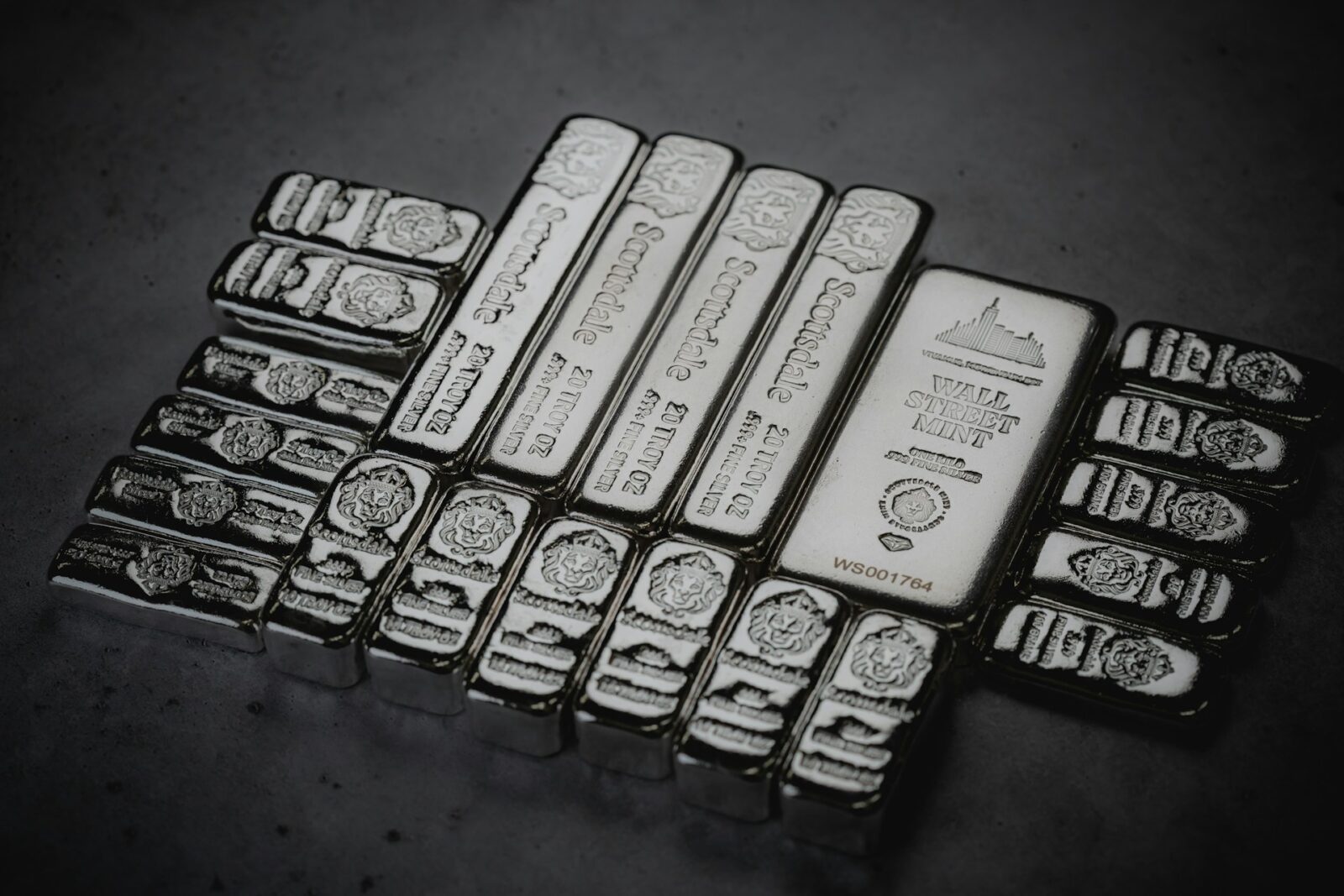
As markets drift toward year-end, silver volatility has surged past bitcoin, highlighting a striking divergence between two assets often viewed as speculative plays. Thin holiday trading, shifting demand dynamics, and tightening physical markets have pushed silver into sharp price swings, while bitcoin remains largely stuck in a narrow range. The contrast offers investors a timely snapshot of how liquidity, fundamentals, and sentiment can dramatically reshape market behavior as the calendar turns.
Silver Volatility Surges While Bitcoin Stalls
Volatility data shows traders actively repricing silver, while bitcoin remains subdued. Over the past month, bitcoin’s 30-day realized volatility has compressed into the mid-40% range, signaling a market lacking strong directional conviction. While that level would be considered elevated for traditional equities, it represents relative calm by crypto standards and sits below bitcoin’s longer-term average.
Silver tells a very different story. The metal’s realized volatility has climbed into the mid-50% range, reflecting rapid price swings driven by tight physical supply, speculative momentum, and growing stress in global bullion markets. In simple terms, silver prices are moving faster and more violently than bitcoin’s—an unusual dynamic given crypto’s reputation for turbulence.
Performance Gap Explains the Volatility Split
The divergence in volatility mirrors performance. Silver is up more than 150% this year, making it one of the strongest-performing assets across global markets. Bitcoin, by contrast, is down roughly 7% year to date and remains well below its October peak near $126,000.
Rallies tend to breed volatility, and silver’s parabolic rise has drawn in momentum traders, hedgers, and industrial buyers alike. Bitcoin’s range-bound behavior, meanwhile, reflects a market still digesting prior gains and grappling with fading catalysts.
Supply Constraints Fuel Silver’s Price Swings
Silver’s explosive move is rooted in a growing mismatch between supply and demand. Industrial consumption has surged as silver plays a critical role in solar panels, electric vehicles, electronics, and battery technologies. Demand from data centers and energy infrastructure linked to AI has only intensified the pressure.
Supply, however, has struggled to keep up. China’s decision to impose export licensing requirements on silver starting January 1 has tightened expectations for physical availability. As a result, spot prices in key hubs such as Shanghai and Dubai have traded at significant premiums—sometimes more than $10 above U.S. futures prices—signaling immediate scarcity.
Physical Markets Flash Warning Signs
Further evidence of strain is visible in the London forward curve, which has slipped into steep backwardation. This pricing structure, where near-term prices exceed longer-dated contracts, typically signals urgent demand for immediate delivery.
While futures markets have not yet shown extreme stress, analysts note that physical tightness often surfaces first in spot premiums and forward curves. These dynamics help explain why silver’s volatility has spiked even as broader financial markets remain relatively calm.
Bitcoin Caught in a Low-Conviction Zone
Bitcoin’s muted volatility reflects a different set of forces. The cryptocurrency is still trading nearly 30% below its record highs, weighed down by reduced enthusiasm for spot ETFs and a loss of momentum following an October sell-off that triggered widespread deleveraging.
Market observers note that bitcoin’s recent moves appear more mechanical than emotional. Thin holiday liquidity has amplified short-term fluctuations, but without strong follow-through from buyers or sellers. A large options expiry recently reset dealer positioning, sidelining capital and reinforcing the lack of clear direction.
Prediction Markets Highlight the Divide
Forecasting platforms echo this split. Markets tied to silver prices suggest high confidence that elevated levels will persist into early 2026, with limited belief in an abrupt collapse. At the same time, traders assign only modest odds to a near-term blow-off top, reflecting cautious optimism rather than euphoria.
Bitcoin prediction markets, on the other hand, overwhelmingly price in continuation of the current range. Traders see a high probability that bitcoin holds above key support levels into January, while assigning relatively low odds to a decisive upside breakout.
What This Means for Investors
The contrast between silver and bitcoin underscores how different assets respond to liquidity conditions and underlying fundamentals. Silver’s volatility is being driven by tangible supply constraints and industrial demand, while bitcoin’s calm reflects a pause in narrative-driven enthusiasm.
For investors, this environment rewards selectivity. Assets experiencing genuine physical tightness may continue to see sharp moves, while markets lacking fresh catalysts could remain range-bound until liquidity and sentiment return.
Conclusion
As year-end trading thins, silver’s volatility has overtaken bitcoin’s, revealing two very different market stories. Silver is being reshaped by real-world supply pressures and surging industrial demand, while bitcoin remains trapped in a low-conviction holding pattern. Whether this divergence persists into the new year will depend on liquidity returning to markets—and on which asset finds its next compelling catalyst first.