
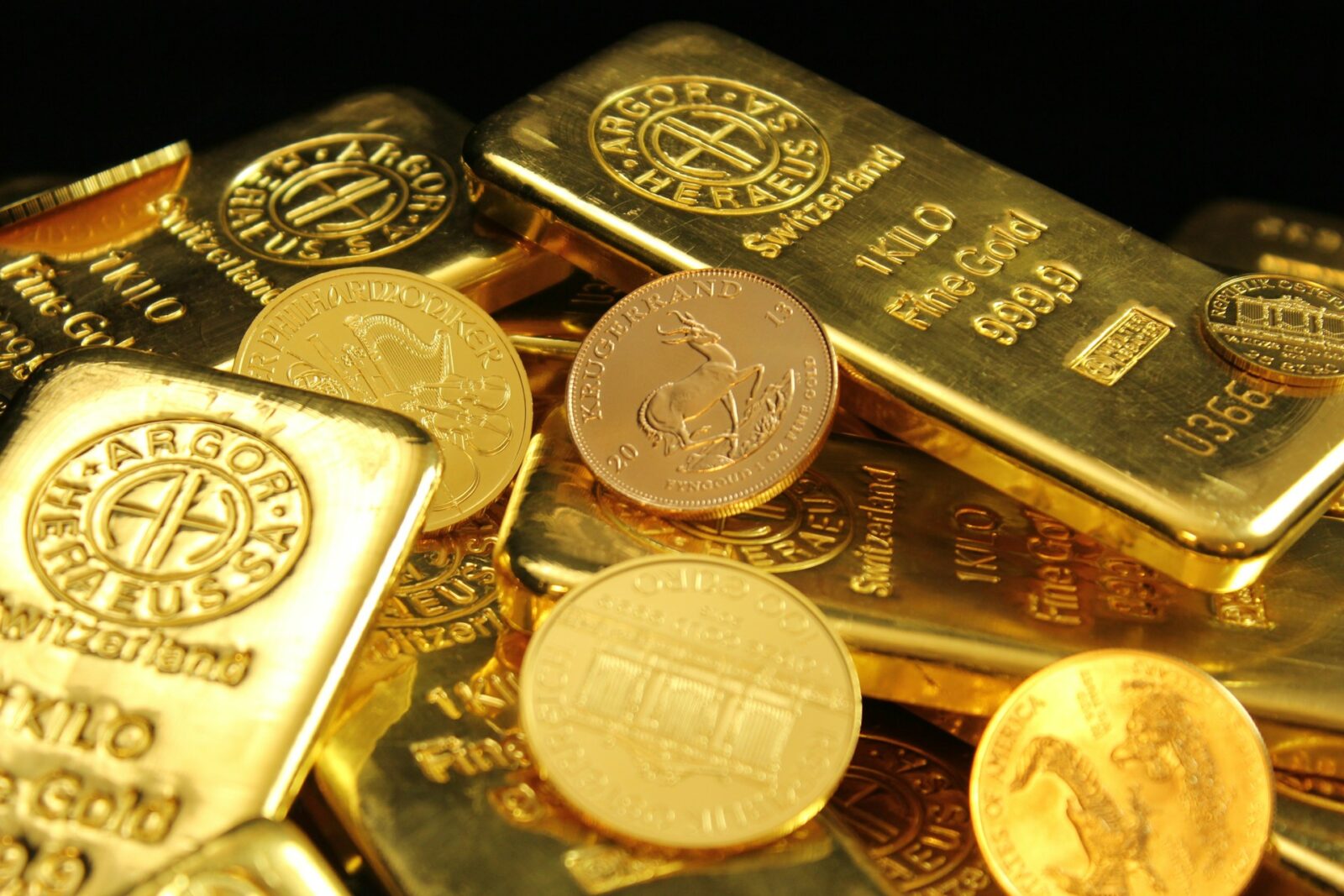
After delivering one of the most dramatic rallies in decades, gold and silver prices have plunged sharply, reminding investors that even the strongest bull markets are not immune to corrections. The sudden reversal has rattled traders who rode the parabolic move higher, while seasoned market watchers caution that extreme gains often invite equally sharp pullbacks. Still, the broader fundamentals driving precious metals remain firmly in place, creating a nuanced and critical moment for investors navigating this volatile space.
Gold and Silver Plunge After Reaching Record Highs
Gold and silver futures fell hard after touching all-time highs, abruptly ending a blistering run that had dominated commodities markets for months. Gold futures slid more than 4%, retreating toward the mid-$4,300 per ounce range. Silver was hit even harder, plunging nearly 9% in a single session—its steepest one-day drop in years—after briefly trading close to the $80 mark.
The speed of the decline underscored just how stretched prices had become. Momentum-driven trades unraveled quickly, and once selling pressure intensified, stop-loss orders and algorithmic strategies accelerated the move lower. For many short-term traders, the reversal served as a painful reminder that parabolic rallies can reverse just as quickly as they form.
Margin Hikes Trigger Forced Liquidations
One of the most immediate catalysts behind the sell-off was a decision by the Chicago Mercantile Exchange to raise margin requirements on silver futures. This forced highly leveraged traders to either post additional collateral or liquidate positions, injecting mechanical selling into an already fragile market.
In overheated markets, margin hikes often act as a pressure release valve. When leverage becomes excessive, even small regulatory changes can spark outsized reactions. Silver’s decline illustrates how quickly speculative positioning can unwind when access to cheap leverage is curtailed, especially in a market known for volatility.
Industrial Demand Still Anchors Silver’s Long-Term Case
Despite the dramatic pullback, silver’s long-term demand profile remains structurally strong. Nearly 60% of global silver consumption comes from industrial uses, including electronics, solar panels, electric vehicles, and increasingly, AI-driven data centers. Silver’s unmatched electrical conductivity makes it indispensable for modern technology and energy infrastructure.
Adding to the bullish long-term narrative, silver is now in its fifth consecutive year of a global structural deficit, where demand consistently outpaces supply. Production constraints and rising industrial usage have tightened the physical market, leaving little margin for error. Even Elon Musk has warned publicly that soaring silver prices could complicate industrial production, underscoring the metal’s importance beyond investment demand.
Gold’s Rally Faces a Long-Overdue Reality Check
Gold has been one of the standout performers of the year, surging roughly 67% amid aggressive central-bank buying, a weakening U.S. dollar, and heightened concerns around currency debasement and sovereign debt. However, such rapid gains rarely persist without interruption.
According to Bloomberg Intelligence strategist Mike McGlone, the last time gold and silver rose this quickly was in the late 1970s—an era that culminated in a sharp peak followed by a prolonged correction. His warning is not an outright bearish call, but a reminder that risk management becomes increasingly important when markets reach extreme levels.
Profit-Taking Doesn’t Signal the End of the Bull Market
While the sell-off was dramatic, it does not automatically mark the end of the precious metals bull market. Corrections often serve a necessary function, helping markets shed speculative excess and re-establish healthier price discovery.
Gold continues to benefit from powerful structural tailwinds, including geopolitical uncertainty, ballooning government debt, and sustained central-bank demand as nations diversify reserves away from fiat currencies. Silver, meanwhile, occupies a unique position as both a monetary metal and a critical industrial input, giving it multiple sources of long-term demand even during periods of volatility.
Why Silver Is More Volatile Than Gold
Silver’s sharper decline highlights a key distinction between the two metals. Unlike gold, which is primarily held as a store of value, silver has a dual identity that ties it closely to economic growth and industrial cycles. This makes silver more sensitive to shifts in sentiment, liquidity, and macroeconomic expectations.
Additionally, silver’s smaller market size amplifies price movements. When speculative positioning becomes crowded, price swings can be extreme in both directions. This volatility is not new, but it often surprises investors who treat silver like a less expensive version of gold rather than a distinct asset class with its own risk profile.
The Role of Speculation and Sentiment
Speculative activity played a significant role in pushing gold and silver to record highs. Futures positioning, retail enthusiasm, and social media narratives all contributed to a crowded trade. When optimism peaks, markets become vulnerable to sharp reversals, particularly if new buyers dry up.
The recent plunge suggests sentiment had reached unsustainable levels. However, sentiment resets are not inherently negative. By flushing out weaker hands, markets often become better positioned for more durable, fundamentally driven advances in the future.
What Investors Should Watch Going Forward
Looking ahead, investors should closely monitor several indicators to gauge whether the pullback is evolving into a deeper correction or stabilizing into a consolidation phase. These include changes in futures positioning, ETF inflows and outflows, central-bank purchasing trends, and macroeconomic signals such as inflation data and interest rate expectations.
Geopolitical developments and monetary policy shifts could quickly reignite safe-haven demand. At the same time, patience may be required. After such an extraordinary rally, gold and silver may need time to digest gains before attempting another sustained move higher.
Conclusion
The sharp pullback in gold and silver prices is a sobering reminder that no rally moves in a straight line. After months of extraordinary gains, profit-taking, margin pressures, and crowded positioning have reintroduced volatility into precious metals markets. For investors, the key takeaway is balance: respect the powerful long-term fundamentals supporting gold and silver, but remain mindful of short-term risks when prices become stretched. In cycles like this, discipline, patience, and selective profit-taking can be just as valuable as long-term conviction.