
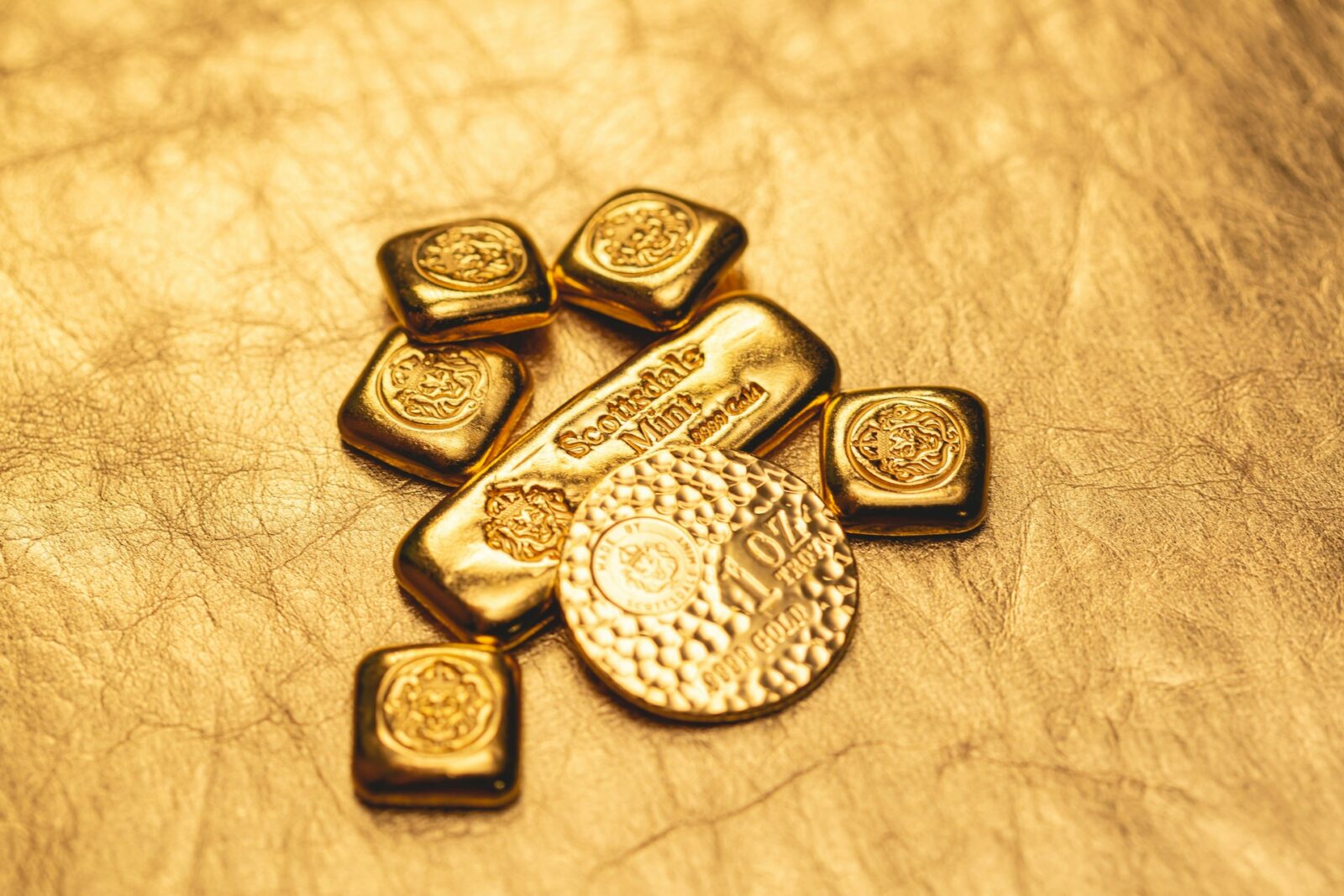
The global gold market has entered uncharted territory. As investors grapple with shifting monetary policy expectations and intensifying geopolitical risks, gold has surged to a new all-time high, cementing one of its strongest annual performances in decades. The latest breakout reflects more than short-term speculation—it highlights a growing reallocation of capital toward assets perceived as resilient in an increasingly uncertain world.
When gold hits record high levels, it often signals deeper concerns about inflation, currency stability, and global security. This time is no different. A combination of anticipated US interest-rate cuts, geopolitical flashpoints, and structural demand from central banks and institutional investors has created a powerful tailwind for precious metals.
Rate-Cut Bets Are Rewriting the Gold Outlook
One of the strongest drivers behind the latest surge is renewed confidence that US interest rates are headed lower. Recent economic data has shown softer inflation and slower job growth, strengthening the case for additional monetary easing.
Markets are now pricing in multiple rate cuts in 2026, a scenario that typically benefits gold. Lower interest rates reduce the opportunity cost of holding non-yielding assets, making bullion more attractive relative to bonds and cash.
As expectations shift, gold hits record high territory largely because investors are positioning ahead of policy changes rather than reacting after the fact.
Political Pressure on Central Banks Adds Momentum
Beyond economic data, political rhetoric has also played a role. Public calls for looser monetary policy have raised concerns about central bank independence and long-term currency stability.
For investors, this reinforces the appeal of gold as a hedge against policy uncertainty. When trust in monetary discipline weakens, demand for tangible stores of value tends to rise—adding another layer of support when gold hits record high levels.
Geopolitical Tensions Reinforce Safe-Haven Demand
Escalating geopolitical risks have further strengthened gold’s appeal. Recent developments involving Venezuela, Eastern Europe, and global energy routes have reminded investors how quickly regional conflicts can ripple through financial markets.
Actions targeting sanctioned oil shipments, disruptions involving maritime trade, and ongoing tensions between major powers have heightened demand for defensive assets. In this environment, gold and silver continue to benefit from their historical role as geopolitical hedges.
When uncertainty rises across multiple regions at once, it becomes easier to understand why gold hits record high levels attract sustained inflows rather than quick profit-taking.
A Once-in-a-Generation Year for Precious Metals
Gold and silver are now tracking their strongest annual gains since the late 1970s. Gold prices have surged roughly two-thirds this year, supported by a rare alignment of monetary, geopolitical, and structural forces.
Silver has also reached historic levels, benefiting from both safe-haven demand and industrial usage tied to renewable energy and electronics. Together, the two metals have defined 2025 as a landmark year for precious metals investors.
This context matters because when gold hits record high, it is not doing so in isolation—it reflects a broader re-rating of hard assets.
Central Banks Are Quietly Driving the Rally
One of the most important but least discussed drivers of gold’s ascent is central-bank buying. Emerging market central banks have steadily increased gold reserves as part of diversification strategies away from dollar-denominated assets.
This demand is structural rather than speculative. Central banks buy gold for long-term balance sheet stability, reducing available physical supply and creating a price floor that private investors increasingly recognize.
As ETF investors begin competing with central banks for limited supply, the dynamic becomes self-reinforcing—another reason gold hits record high prices may prove more durable than past spikes.
ETF Inflows Signal Broad Investor Participation
Investor participation has expanded significantly through gold-backed exchange-traded funds. Holdings have risen steadily throughout the year, reflecting renewed interest from institutional and retail investors alike.
These inflows are often associated with the so-called “debasement trade,” where investors reduce exposure to fiat currencies and sovereign bonds amid rising debt levels and long-term inflation risks.
With ETF holdings rising almost every month, demand has broadened beyond traditional gold buyers—supporting the narrative that gold hits record high levels are being underpinned by a wider capital base.
Other Precious Metals Are Joining the Surge
Gold is not alone in this rally. Silver recently surged to record territory, while platinum and palladium have posted outsized gains.
Platinum, in particular, has staged an extraordinary comeback, rising more than 100% this year. Tight supply conditions, strong demand from industrial applications, and shifting trade flows have accelerated its advance.
These synchronized moves across precious metals suggest that investors are not simply chasing gold—they are repositioning toward the entire complex as a hedge against macro instability.
Supply Constraints Are Amplifying Price Moves
Physical market conditions have also played a role. In platinum and silver markets, supply dislocations and tightening inventories have magnified price moves.
Banks and trading desks have increasingly shifted physical metal across regions to manage tariff risk and regulatory uncertainty. This has contributed to tighter availability in key hubs, reinforcing bullish sentiment.
When physical demand tightens alongside financial inflows, it becomes easier for gold hits record high prices to persist rather than quickly reverse.
Wall Street Sees More Upside Ahead
Several major financial institutions believe the rally still has room to run. Forecasts for 2026 increasingly point toward higher average gold prices, with some analysts projecting levels well above current records.
The rationale is straightforward: central-bank demand remains strong, ETF inflows are accelerating, and geopolitical risks show no signs of fading. Meanwhile, monetary policy is likely to remain accommodative relative to historical norms.
Together, these factors suggest that gold hits record high moments may become less exceptional and more frequent.
New Buyers Are Expanding the Gold Market
Another emerging trend is the entry of non-traditional buyers into the gold market. Corporate treasuries and digital-asset issuers have begun exploring gold as part of broader reserve strategies.
This diversification of demand sources increases market resilience. With more participants holding gold for different strategic reasons, the likelihood of sharp, sustained selloffs diminishes.
Conclusion
When gold hits record high levels, it reflects more than a momentary surge—it captures a shift in how investors perceive risk, value, and stability. The current rally is being driven by a powerful combination of rate-cut expectations, geopolitical uncertainty, central-bank accumulation, and expanding investor participation.
While short-term volatility is always possible, the underlying foundations supporting gold appear stronger than in previous cycles. As the global economy navigates political tension, monetary change, and structural debt challenges, gold’s role as a strategic asset looks increasingly entrenched—not exhausted.