
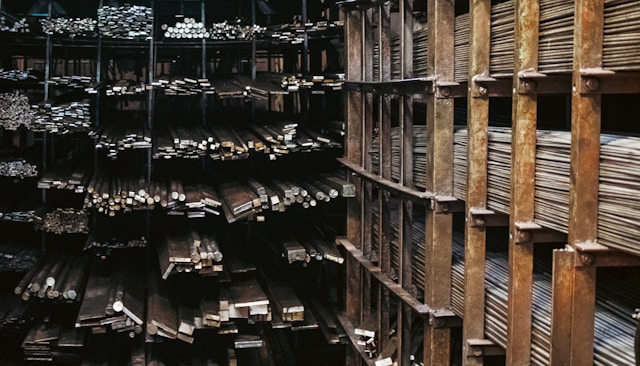
The year 2025 will be remembered as a turning point for global commodities. Gold and silver captured headlines by reaching historic highs, reinforcing their role as safe-haven assets during a time of economic and geopolitical uncertainty. But focusing solely on precious metals misses the bigger picture. A powerful and broad-based metals rally 2025 has unfolded across industrial and battery metals as well, reshaping how investors think about global demand, supply constraints, and the future of infrastructure.
From copper and aluminum to steel and lithium, metals tied to artificial intelligence, electrification, and energy transition have delivered some of their strongest performances in decades. Unlike gold and silver, which thrive on fear and monetary policy shifts, these metals are rising because the physical world is being rebuilt—and rebuilt with metal.
Gold and Silver Shine as Safe Havens
Gold and silver have enjoyed one of their strongest years on record. Investors turned to precious metals as inflation concerns lingered, central banks adjusted interest-rate expectations, and geopolitical risks intensified.
Gold’s climb reflected its traditional role as a store of value, while silver benefited from both investment demand and its dual use in industrial applications. Together, they set the tone for what became a much wider metals rally 2025, extending far beyond defensive assets.
Industrial Metals Steal the Spotlight
While gold and silver made headlines, industrial metals quietly delivered outsized gains. Copper prices surged more than 30% year to date, while steel and aluminum posted double-digit increases. Lithium, a key input for batteries and energy storage, also climbed sharply.
These moves were not driven by speculation alone. They reflect a structural shift in global demand as economies invest heavily in data centers, power grids, electric vehicles, and renewable energy systems. In short, the world is building again—and it’s building with metal.
AI and the Energy Transition Are Fueling Demand
The backbone of the metals rally 2025 is demand from artificial intelligence and the energy transition. AI data centers require enormous amounts of wiring, cooling infrastructure, and power delivery systems—all of which depend on copper, aluminum, and steel.
Copper is essential for electrical wiring and grid expansion. Steel forms the structural foundation of factories, data centers, and transmission infrastructure. Aluminum is used extensively in cooling systems and lightweight structures. Lithium powers batteries for electric vehicles, grid storage, and renewable integration.
As one commodities strategist put it, the global economy is shifting away from fossil fuels toward technologies built almost entirely from metals.
Supply Constraints Are Making the Problem Worse
Rising demand is only half the story. Supply disruptions have played an equally important role in pushing prices higher during the metals rally 2025.
Copper supply has been hit by a series of setbacks, including flooding, mine shutdowns, and infrastructure failures at major global operations. Environmental challenges and aging assets have made it harder for miners to respond quickly to rising demand.
Lithium markets have faced similar pressures. Temporary suspensions at key mining sites, particularly in China, tightened supply just as global battery demand accelerated. Aluminum and steel producers have also struggled with higher energy costs, which limit refining capacity and raise production expenses.
Geopolitics and Tariffs Add Volatility
Geopolitical tensions have amplified price movements across the metals complex. Trade restrictions, export controls, and tariffs have injected uncertainty into supply chains already under stress.
US tariffs on steel, aluminum, and certain copper products created sharp price swings throughout the year. When new tariff proposals emerged, traders rushed to reposition physical inventories, temporarily driving prices higher before policy details clarified exemptions.
These dynamics highlight how political decisions now play a direct role in shaping the metals rally 2025, particularly for materials critical to national infrastructure and security.
China’s Role in the Metals Market
China remains central to global metals demand and supply. As the world’s largest consumer of industrial metals, even small policy changes can have outsized impacts on prices.
Production caps in aluminum, environmental regulations, and shifts in Chinese demand expectations have all contributed to market tightness. At the same time, China’s dominance in lithium processing has made the battery metal especially sensitive to policy decisions and operational disruptions.
This concentration of supply reinforces a key theme of the metals rally 2025: the world may simply not have enough material to meet projected demand.
Physical Markets Are Driving Financial Flows
Another defining feature of this rally is the growing interaction between physical and financial markets. As shortages become more visible, trading desks and institutional investors have increased direct exposure to physical metals.
Warehouses have seen higher withdrawal requests, particularly for copper, reflecting concerns about future availability. When demand shifts from paper contracts to physical delivery, price moves tend to accelerate.
This trend suggests that the metals rally 2025 is not purely speculative—it is grounded in real-world supply and demand pressures.
Why Miners Are Ramping Up—but Slowly
Mining companies are responding by planning expansions, but new supply takes years to bring online. Large-scale projects require significant capital, regulatory approvals, and infrastructure development.
Even with aggressive investment plans, supply growth is unlikely to keep pace with demand in the near term. This lag reinforces bullish price expectations across copper, aluminum, and lithium, especially as AI-related electricity demand continues to rise.
What Investors Should Watch Next
Looking ahead, the sustainability of the metals rally 2025 will depend on several factors:
- The pace of AI infrastructure build-outs
- Energy transition policies and grid expansion
- Geopolitical developments and trade rules
- The ability of miners and refiners to expand supply
Any slowdown in global growth could temper demand, but structural trends remain firmly in place.
Conclusion
The metals rally 2025 is not a single story—it’s a convergence of forces reshaping the global economy. Gold and silver have thrived as uncertainty hedges, while industrial and battery metals have surged on the back of AI expansion, electrification, and constrained supply.
As the world transitions toward a technology-driven, energy-intensive future, metals are no longer just commodities—they are strategic assets. Whether prices continue higher or consolidate, one thing is clear: the global economy is being rebuilt with metal, and demand is arriving faster than supply can follow.