
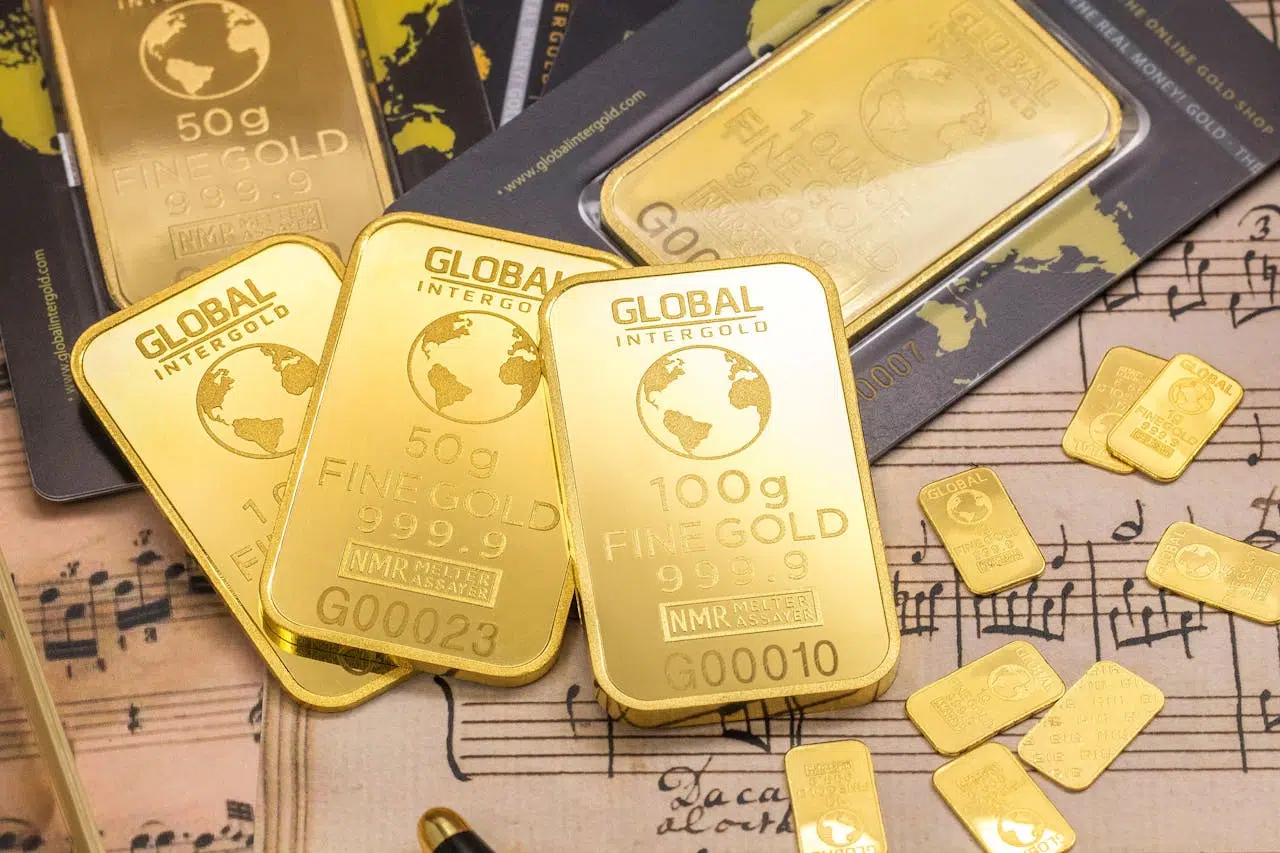
Precious metals are once again commanding investor attention as cooling inflation data reshapes expectations for US monetary policy. Following the release of softer-than-expected consumer price figures, gold hovered near record highs while platinum extended an extraordinary rally that has stunned even seasoned commodity traders. The reaction highlights how sensitive metals markets remain to shifts in interest-rate expectations, real yields, and global uncertainty.
The latest gold prices after CPI reflect more than a short-term trading reaction. They signal a broader recalibration of how investors are positioning for a world where inflation appears to be easing, central banks are cautiously cutting rates, and geopolitical risks continue to simmer beneath the surface.
Cooling Inflation Strengthens the Case for Gold
The catalyst for the latest move came from the US core Consumer Price Index, which unexpectedly rose at its slowest pace since early 2021. That surprise reinforced market confidence that inflationary pressures are easing more decisively than previously thought.
For gold, this matters enormously. Lower inflation readings tend to pull down real yields, making non-interest-bearing assets like gold more attractive. As a result, gold prices after CPI remained resilient near record levels as traders reassessed the trajectory of US interest rates.
Federal Reserve Policy Adds Tailwinds
The Federal Reserve has already delivered its third consecutive interest-rate cut, a move that continues to support precious metals. While policymakers have stopped short of offering a clear roadmap for easing into 2026, market pricing tells a different story.
Traders are currently assigning roughly a 25% probability to another rate cut as early as January, with expectations for a reduction by April nearly fully priced in. This outlook has reinforced demand for gold and platinum, which historically perform well when borrowing costs fall and the opportunity cost of holding metals declines.
In this environment, gold prices after CPI are being driven as much by forward-looking expectations as by current data.
Geopolitical Risks Add Another Layer of Support
Beyond inflation and interest rates, geopolitical developments have added fuel to the precious metals rally. Heightened tensions in multiple regions have pushed investors toward traditional safe-haven assets.
Events in Venezuela have drawn particular attention after US President Donald Trump ordered a blockade of sanctioned oil tankers. Such actions increase uncertainty in global energy markets, indirectly supporting demand for assets perceived as stores of value.
Combined with thinner year-end liquidity, these risks have helped metals reclaim their role as defensive portfolio anchors.
Gold’s Historic Year Continues
Gold’s performance in 2025 has been nothing short of remarkable. Prices are up roughly two-thirds for the year, placing gold on track for its strongest annual performance since 1979.
This rally has been fueled by a combination of central bank buying, strong inflows into gold-backed exchange-traded funds, and persistent demand from investors seeking protection against economic and political uncertainty.
Viewed through this lens, gold prices after CPI are less about short-term volatility and more about a long-term re-rating of gold’s role in global portfolios.
Platinum’s Breakout Rally Steals the Spotlight
While gold has attracted headlines, platinum has delivered the most dramatic gains. The metal has surged for six consecutive sessions and has more than doubled this year, approaching the $2,000-an-ounce mark.
This marks the strongest annual performance for platinum since at least 1987, according to historical data. The rally has surprised many investors who long viewed platinum as lagging other precious metals.
Platinum’s surge reflects tightening supply conditions and renewed optimism around industrial and investment demand.
Market Tightness and Supply Dynamics Drive Platinum Higher
One key factor behind platinum’s rally is growing tightness in the London market. Banks have reportedly shifted metal to the US as a hedge against potential tariffs, reducing available supply in key trading hubs.
At the same time, exports to China have remained robust. Optimism surrounding Chinese demand has intensified following the launch of platinum futures trading on the Guangzhou Futures Exchange, which has attracted significant interest.
Open interest and trading volumes for the nearest June contract have surged, with prices trading at a premium to international benchmarks—adding momentum to the global rally.
China’s Role in the Precious Metals Surge
China’s influence on metals markets cannot be overstated. The expansion of platinum futures trading in Guangzhou has increased price transparency and provided domestic investors with easier access to the market.
Strong participation on the exchange has amplified price movements and reinforced bullish sentiment worldwide. For gold, continued central bank accumulation—particularly from emerging markets—has provided a steady source of demand.
Together, these forces are shaping gold prices after CPI and reinforcing the broader bullish narrative across precious metals.
The Role of Real Yields and Liquidity Conditions
Analysts point to declining real yields as a critical driver behind the renewed interest in metals. When inflation-adjusted returns on bonds fall, gold and platinum become more competitive as stores of value.
Thin liquidity toward the end of the year has also exaggerated price moves, allowing rallies to extend more quickly than they might under normal conditions. These dynamics suggest volatility may persist in the near term.
However, they also underscore why precious metals are regaining prominence as portfolio stabilizers.
How Other Metals Are Performing
While gold and platinum have led the charge, other metals have shown mixed performance. Silver edged slightly lower, reflecting its dual role as both a precious and industrial metal. Palladium, meanwhile, posted gains, benefiting from broader strength across the sector.
The Bloomberg Dollar Spot Index edged lower, offering additional support to metals priced in dollars by making them cheaper for international buyers.
What Investors Should Watch Next
Looking ahead, markets will remain focused on upcoming inflation data, Federal Reserve communications, and geopolitical developments. Any shift in expectations around rate cuts could quickly influence gold prices after CPI and broader metals markets.
Investors will also monitor supply dynamics, particularly in platinum, where tightness could persist well into next year if demand remains strong.
Conclusion
The latest surge in precious metals underscores how quickly sentiment can shift when inflation data, monetary policy, and geopolitics align. Gold prices after CPI have held near record levels as cooling inflation strengthens the case for further rate cuts, while platinum’s extraordinary rally highlights tightening supply and rising global demand.
As uncertainty continues to define the economic landscape, precious metals are reclaiming their status as reliable hedges and portfolio stabilizers. Whether the rally extends further will depend on the balance between easing monetary conditions and evolving global risks—but for now, gold and platinum remain firmly in the spotlight.