
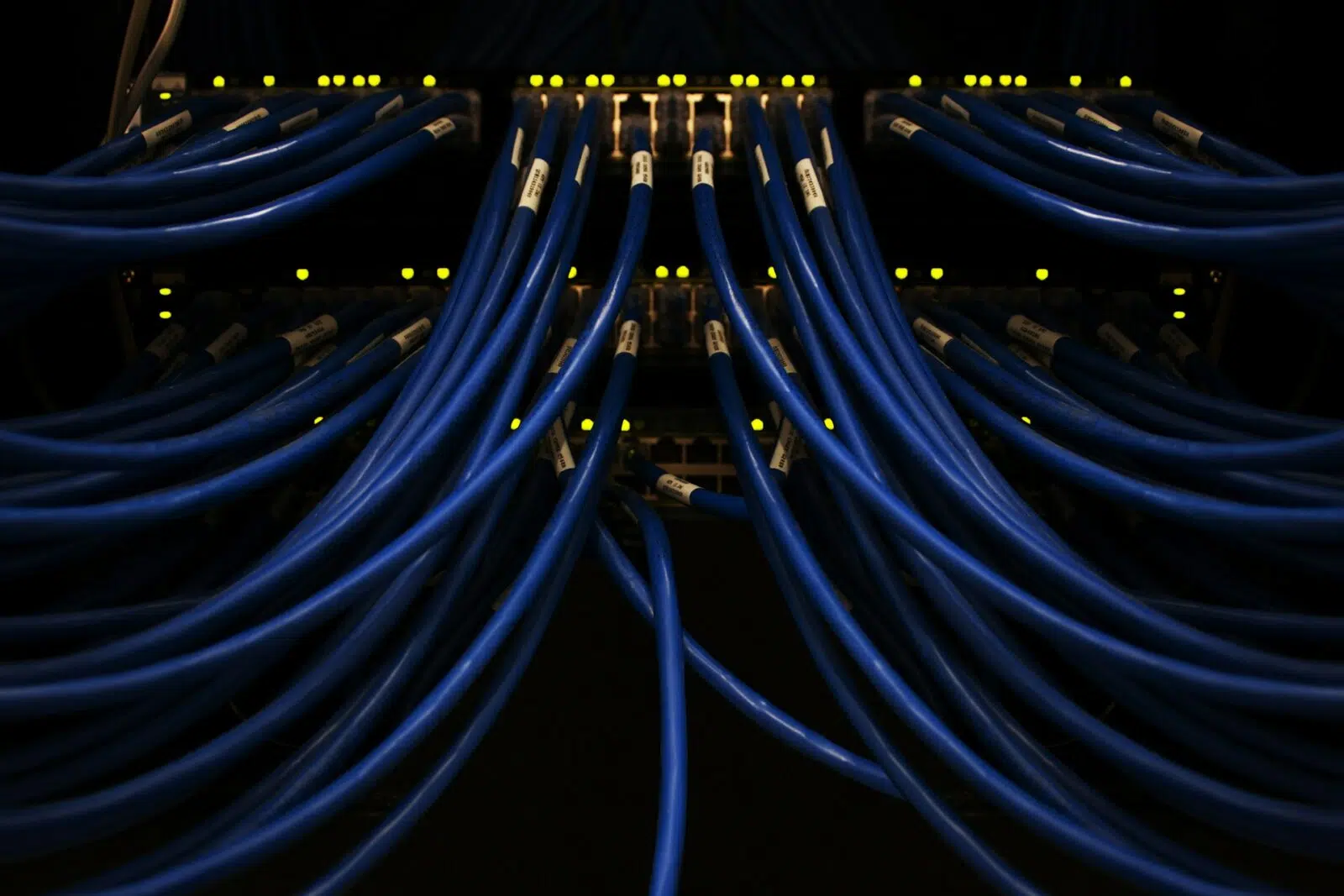
Artificial intelligence may represent the future of global technology, but behind every AI breakthrough lies a physical backbone: the data centers that power it. These sprawling facilities require enormous volumes of metal-heavy infrastructure — from cooling systems to server racks — and few materials are more essential than aluminum.
On the surface, this AI-fueled demand should be a once-in-a-generation boon for America’s struggling aluminum sector. Prices are strong, new applications are booming, and the push for clean energy and electric vehicles has expanded the need for lightweight, heat-conductive metals like aluminum.
Yet the reality is far more complicated. While demand is surging, the very industry that needs aluminum most — Big Tech — is also making it nearly impossible for U.S. smelters to compete. With data centers consuming unprecedented amounts of electricity and paying premium rates to secure it, aluminum producers are being priced out of the power markets they need to operate. As a result, the U.S. aluminum industry is being squeezed from both sides: rising demand and rising costs.
This creates a paradoxical situation: AI is driving record demand for aluminum, while simultaneously undermining the ability of U.S. smelters to manufacture it.
AI Data Centers Are Fueling an Aluminum Boom — and a Crisis
Aluminum has always been critical to industrial growth, but AI infrastructure requires it at a whole new scale. Inside every data center are:
- Heat exchangers and cooling systems
- Server chassis and racks
- Power supply housings
- Radiators and ventilation components
- Transmission hardware and structural elements
Most of these components are made from aluminum due to its light weight, thermal conductivity, corrosion resistance, and manufacturing versatility.
This explains why aluminum prices have surged and why demand continues accelerating. But this “AI boom” carries a heavy cost.
A Power Problem With No Easy Solution
Producing aluminum is one of the most energy-intensive industrial processes in the world. And that’s where the crisis begins.
AI data centers are devouring the nation’s power supply
According to Bank of America, U.S. electricity demand is expected to grow 5 to 10 times faster over the next decade than it did during the last. A significant share of that demand comes from AI data centers, which require enormous, continuous power loads to run and cool their hardware.
Aluminum smelters simply cannot compete
Smelting alumina into aluminum requires:
⚡ 14 megawatt-hours of electricity per ton of aluminum produced
— enough to power a typical U.S. home for nearly 18 months.
If the U.S. built a new smelter today, it would require the same amount of electricity as a major American city — roughly equivalent to Boston or Nashville.
Now consider the power-buying environment:
Big Tech companies like Amazon, Microsoft, and Google are willing to pay over $100 per megawatt-hour for electricity to fuel AI operations.
Aluminum smelters, however, need fixed, long-term power rates between $30 and $40/MWh to operate profitably. They simply cannot match what cloud giants are offering utilities.
This power-price arms race is crippling domestic aluminum production and preventing new smelters from being built.
International Competitors Are Flooding the Market
While the U.S. struggles to run its few remaining smelters, global rivals are pressing their advantage.
China dominates everything
China:
- Is the world’s largest aluminum producer
- Controls 50–60% of global smelting capacity
- Handles half of global alumina output
- Is a major importer of bauxite
- Exports massive amounts of finished aluminum products
No country comes close.
Indonesia is rapidly rising
Indonesia, already a major bauxite supplier, is rapidly expanding its capacity to produce processed aluminum — positioning itself as a global powerhouse.
The U.S., meanwhile, has:
- Only six remaining smelting sites
- Only four in full commercial operation
- Roughly 670,000 tons of annual production
- Less than 1% of global aluminum output
Even running at full capacity, America could only meet about one-third of its domestic demand.
AI Growth Is Benefiting Aluminum Stocks — But Not Aluminum Production
Despite the industry’s structural challenges, surging demand has boosted U.S. aluminum stock performance.
Companies like:
- Alcoa (AA)
- Century Aluminum (CENX)
…have rebounded strongly in 2025, overcoming earlier pressures such as tariff shocks and supply uncertainty.
But the price rally is masking deeper issues.
AI demand is helping prices — but power scarcity is limiting production
Alcoa’s leadership has candidly admitted that while they expect to meet some of the AI sector’s evolving needs, they will not be able to keep up fully — at least not in the next few years.
AI workloads require highly specialized aluminum components, and manufacturers face:
- Power shortages
- Higher costs
- Technical adaptation constraints
- Competition for skilled labor
- A rapidly changing AI hardware landscape
The industry can see the demand wave coming. It just cannot meet it.
Smelters Are Seeking Lifelines — Including Selling to Big Tech
With electricity prices soaring, some aluminum producers are taking desperate steps.
Century Aluminum’s strategy: Secure long-term power
Century signed a long-term power contract in South Carolina guaranteeing stable electricity prices through 2031 — a rare win in today’s volatile power markets.
Alcoa’s potential move: Selling assets directly to Big Tech
In a surprising twist, Alcoa is considering selling parts of its smelting infrastructure to tech giants who may value the power access more than the metal output.
This is a stark illustration of how dramatically the power landscape has shifted:
For Big Tech, energy is now more valuable than industrial production itself.
Headwinds Are Growing: Prices, Production, and Power Competition
Even with record demand, more challenges loom ahead.
Aluminum prices may fall 15% by late 2026
According to Goldman Sachs, global supply growth — particularly from China and Indonesia — will push prices lower and pressure U.S. smelter margins even further.
The U.S. hasn’t built a new primary aluminum smelter in 45 years
Domestic production is aging, inefficient, and underpowered compared to international competitors.
The U.S. relies heavily on imports
Two-thirds of U.S. primary aluminum comes from Canada, highlighting a major strategic vulnerability in the AI era.
Is Relief Coming? Maybe — But Not Soon Enough
There are early signs of potential support:
- The U.S. government is exploring strategies to rebuild domestic supply chains
- A 50% tariff on imported aluminum was introduced in 2025
- Emirates Global Aluminum plans to build a new smelter in Oklahoma
- Century Aluminum aims to restart its Mt. Holly facility
But even with all these efforts, one challenge remains:
Power.
Without cheap, long-term access to electricity, none of these new projects can succeed.
Jefferies analysts call power supply the industry’s “key constraint.”
Alcoa’s CEO says the market is moving in the wrong direction, not the right one.
A High-Tech Tug-of-War That Will Shape America’s Industrial Future
The explosive growth of AI has created a deeply paradoxical situation:
The technology driving historic demand for aluminum is the same force pushing U.S. producers to the brink.
AI data centers need massive amounts of aluminum — but their appetite for electricity is starving the smelters that produce it. Meanwhile, foreign competitors are expanding rapidly, undercutting U.S. prices and threatening domestic supply security.
Whether America can rebuild a competitive aluminum industry will depend heavily on:
- Affordable long-term electricity contracts
- Federal investment and strategic planning
- Modernized smelting technology
- A coordinated push to reduce reliance on foreign suppliers
The stakes are high. Aluminum is essential to the energy transition, AI infrastructure, EV manufacturing, aerospace, defense, and countless technologies critical to America’s future.
If the U.S. cannot secure a stable, domestic supply of this strategic metal, the consequences will ripple far beyond the aluminum sector — affecting innovation, national security, and the broader AI economy.