
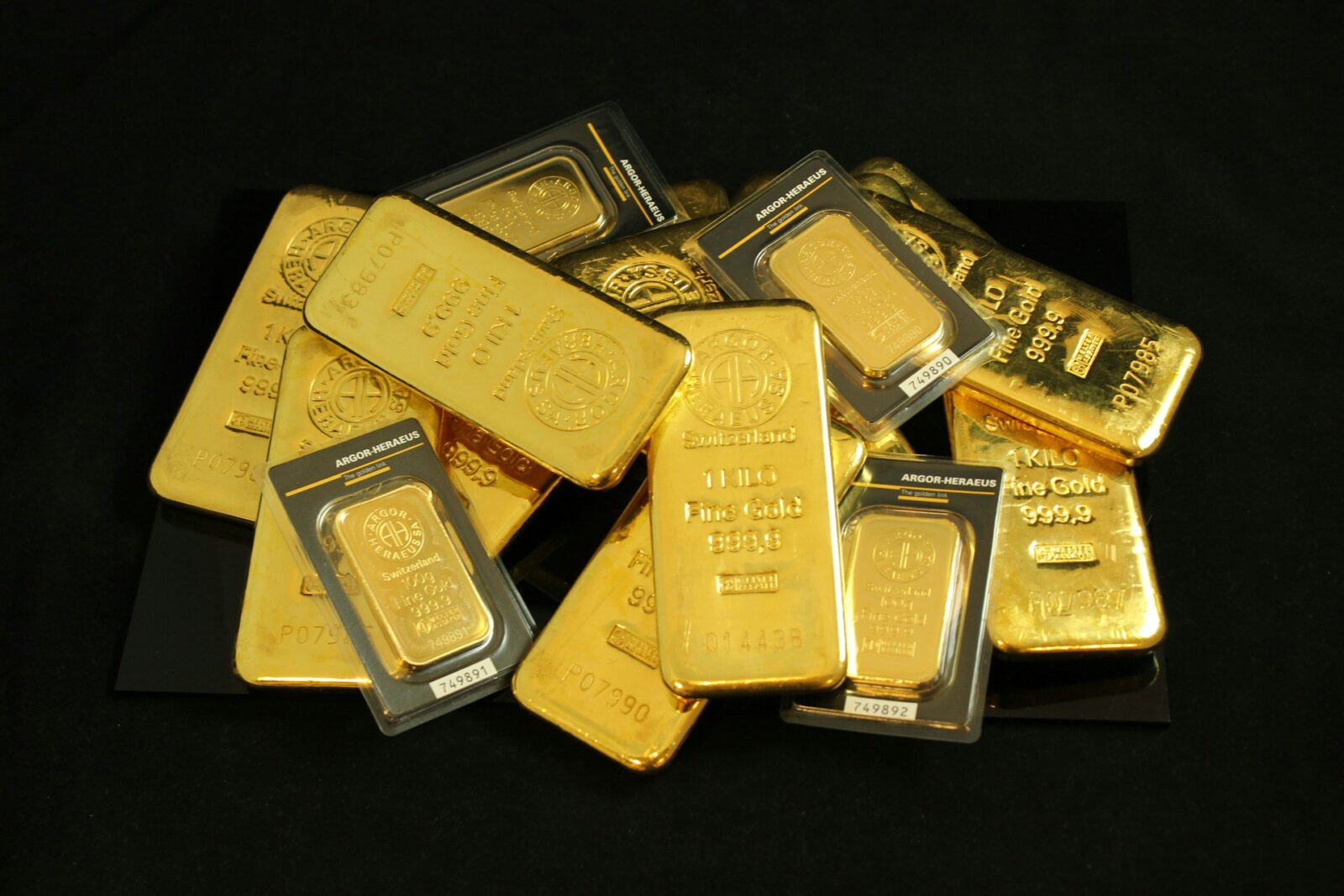
Gold has been one of the standout success stories in global markets this year, smashing records and capturing attention across the investing world. After soaring more than 57% year-to-date and touching unprecedented highs above $4,180 per ounce, many investors assume the rally must be nearing exhaustion. But Wall Street’s strongest voices are telling a very different story—one that suggests the metal’s bull run may just be getting started.
In fact, several of the world’s largest financial institutions now expect gold to rally another 15%–20% in 2026, driven by a rare combination of macroeconomic pressures, shifting central bank policy, and a structural change in global demand for safe-haven assets.
This article breaks down the most convincing arguments—and risks—behind the latest gold price forecast for 2026, and why analysts believe the metal still has significant room to run.
What’s Fueling Gold’s Massive Rally in 2025?
Gold’s breakout year didn’t happen in a vacuum. Instead, it has been fueled by a “perfect storm” of supportive forces:
- Central banks purchasing record levels of gold
- Sticky inflation and weakening trust in fiat currencies
- Growing concerns over U.S. deficits, tariffs, and global geopolitical shocks
- Falling confidence in the U.S. economy’s long-term trajectory
With investors questioning the reliability of traditional safe-haven options—and the U.S. dollar facing long-term structural headwinds—gold has reemerged as a cornerstone asset for both institutions and private investors.
But will these factors continue? According to top analysts from Bank of America, Goldman Sachs, Deutsche Bank, and HSBC, the answer is a strong yes.
Bank of America: Gold Could Hit $5,000 in 2026
Bank of America (BofA) holds one of the boldest projections on the market: Gold at $5,000 per ounce in 2026 — a ~19% increase from current levels.
Why BofA Expects Higher Gold Prices
The bank believes that every major driver that pushed gold higher in 2025 will remain firmly in place:
Expanding U.S. deficit spending
Federal debt continues to rise at an unsustainable pace, weakening confidence in the dollar.
“Unorthodox” macroeconomic policies
The Trump administration’s tariff strategy and unpredictable economic approach are increasing demand for safe assets.
Underinvestment in gold
Despite record prices, institutions remain “underweight” in gold.
This leaves significant room for buying activity to accelerate.
According to BofA, gold tends to keep rising until its fundamental drivers vanish — and right now, they’re only getting stronger.
Goldman Sachs: Gold Could Reach $4,900 by End of 2026
Goldman Sachs’ cohead of global commodities research, Daan Struyven, says the metal is poised to surge toward $4,900—roughly 17% higher from today.
Goldman Points to Two Primary Catalysts
Central Banks Are Buying More Gold Than Ever
After Russia’s reserves were frozen in 2022, global reserve managers realized something vital:
The only asset truly protected from sanctions is gold stored domestically.
This has ignited a long-term accumulation trend, particularly among emerging markets such as China, Turkey, Poland, and the Middle East.
Global Rate Cuts Will Boost Non-Yielding Assets
With the Federal Reserve expected to cut rates by 75 basis points next year, non-yielding assets like gold instantly become more attractive.
Lower interest rates = weaker dollar = stronger gold.
Private Investors Will Join the Party
Goldman also expects a new wave of demand from individuals diversifying out of vulnerable fiat currencies.
Struyven noted that the gold ETF market is tiny compared to U.S. Treasurys, meaning even modest inflows could move prices sharply:
“Gold is our favorite long commodity recommendation.”
Deutsche Bank: Gold Could Test $4,950 in 2026
Deutsche Bank’s forecast sits right between BofA and Goldman: Gold could climb as high as $4,950, with a baseline target of $4,450.
Why Deutsche Bank Is Bullish
- Investor flows have stabilized, showing resilient demand
- Technical indicators signal the correction phase is ending
- Central bank and ETF demand remains persistently strong
Analysts highlight that even though gold experienced turbulence recently, the long-term trend remains firmly upward.
The Risks They See
Deutsche Bank warns that gold’s upside could stall if:
- The stock market experiences a deep correction
- The Fed cuts fewer rates than expected
- Geopolitical tensions ease
- Central banks slow their accumulation strategy
Still, in their view, the bull case outweighs the risks.
HSBC: Gold Could Hit $4,400 in 2026
While HSBC is more moderate, their outlook remains strongly positive:
👉 A 2026 range of $3,600–$4,400, implying up to 5% upside.
HSBC sees several major long-term tailwinds:
- Rising geopolitical tensions
- Economic nationalism and tariffs
- Market volatility and policy uncertainty
- Structural distrust in global monetary systems
HSBC’s chief precious metals analyst emphasizes that political and economic fractures are likely to persist — a scenario where gold typically thrives.
Where HSBC Sees Headwinds
By late 2026, they expect:
- Higher gold supply entering the market
- Potential cooling in physical gold demand
- Central banks slowing purchases above the $4,000 threshold
Still, HSBC maintains an overall positive tone.
The Bigger Picture: Why Gold Might Still Be Early in Its Supercycle
Beyond the bank forecasts, several broader themes suggest that gold may be entering a multi-year structural bull market:
Global de-dollarization is accelerating
Nations are diversifying away from the U.S. dollar at the fastest pace in 20 years.
Physical demand is rising in both East and West
Especially from China, India, and Middle Eastern sovereign wealth funds.
Macro uncertainty remains elevated
Geopolitics, inflation volatility, and tariff risks will likely persist.
Gold supply growth is slowing
New mining discoveries are limited, tightening long-term structural supply.
Conclusion: Gold’s Best Days May Still Be Ahead
If Wall Street’s most respected analysts are correct, the gold price forecast for 2026 points to another year of powerful gains — potentially 15% to 20% higher, with some forecasts stretching to $5,000 per ounce.
Even after a record-setting run, the long-term factors pushing gold higher haven’t weakened. Instead, they’re intensifying:
- Central banks are increasing their reserves
- Rate cuts are on the horizon
- Economic uncertainty is rising
- Demand from private investors is building
- Global trust in fiat currencies is eroding
For long-term investors, gold remains one of the most compelling hedges against volatility and currency risk. And if these forecasts are right, the metal could still be dramatically undervalued heading into 2026.