
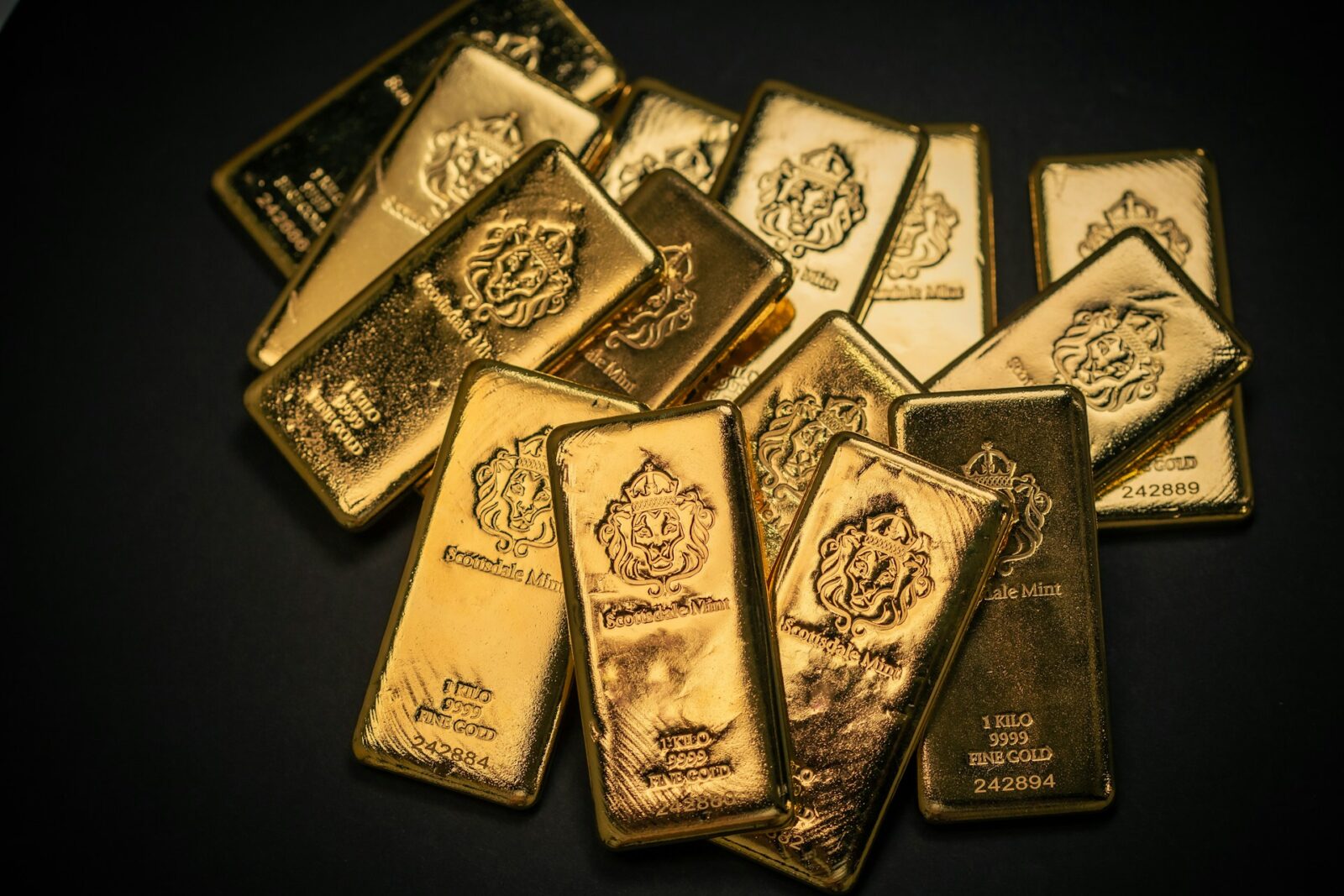
Gold prices rebounded sharply, climbing back above the $5,000 mark as bargain hunters stepped in following one of the most dramatic pullbacks in precious-metals history. After a brutal retreat from record highs rattled investors last week, renewed buying interest suggests confidence in gold’s long-term fundamentals remains largely intact, even as volatility stays elevated.
Gold and Silver Bounce as Risk Appetite Improves
Gold advanced for a second consecutive session, rising nearly 3% at its peak after surging more than 6% the day before. The rebound came as broader markets adopted a risk-on tone and the US dollar softened, easing pressure on dollar-denominated commodities. Despite the recovery, bullion is still roughly 10% below the all-time high reached in late January, though it remains up around 17% year to date. Silver also moved higher, recovering a portion of its steep losses alongside gains in platinum and palladium.
Market strategists suggest that the most intense phase of forced selling may now be behind the market. While last week’s volatility shook confidence, it also flushed out leveraged positions, creating space for more measured buying to return.
What Triggered the Sharp Precious Metals Correction?
The recent plunge followed an explosive rally driven by geopolitical tensions, fears of currency debasement, and concerns over central bank independence. Prices accelerated rapidly in January, prompting warnings that the move—particularly in silver—had become overstretched.
Those warnings proved prescient. As prices peaked, investors began unwinding crowded trades. Heavy exposure from Chinese funds, Western retail investors, leveraged exchange-traded products, and aggressive call-option buying amplified the downside once selling began. The result was a sudden collapse during Asian trading hours that cascaded into one of the sharpest multi-day declines seen in decades.
ETF Outflows Highlight Shaken Sentiment
The speed of the selloff was reflected in exchange-traded fund flows. Mainland China’s largest gold-backed ETFs recorded nearly $1 billion in combined outflows in a single day—the largest one-day withdrawal on record. That reversal was striking, coming just days after those same funds posted historic inflows.
Such dramatic swings underscore how fragile sentiment became after prices fell, even among investors who had been strong supporters of the rally.
Why Long-Term Gold Bulls Aren’t Giving Up
Despite the turbulence, many investors believe the structural drivers behind gold’s rise remain firmly in place. Central bank diversification, persistent geopolitical risk, high global debt levels, and expectations for easier monetary policy continue to support gold’s role as a portfolio hedge.
Several major financial institutions have reiterated bullish long-term outlooks, arguing that the correction has not undermined gold’s broader investment thesis. Some portfolio managers who reduced exposure ahead of the selloff are now watching closely for opportunities to re-enter at more attractive levels.
Volatility Likely to Stay Elevated
That said, analysts caution that price swings may remain intense in the near term. The violent selloff—and equally sharp rebound—highlight a hypersensitive market still digesting the aftermath of extreme positioning. While gold is seen as having a stronger long-term foundation than silver, both metals may continue to experience sharp moves as investors recalibrate risk.
Position sizing, margin requirements, and tighter controls from financial institutions could dampen speculative excess, but they are unlikely to eliminate interest in precious metals altogether.
Geopolitics Adds Another Layer of Support
Ongoing geopolitical uncertainty is also lending support to bullion. Rising tensions in the Middle East and unresolved diplomatic negotiations between major global powers continue to reinforce gold’s appeal as a safe-haven asset. Even when markets briefly turn optimistic, underlying risks remain unresolved, keeping strategic demand alive.
A Reset, Not the End of the Gold Story
Gold’s rebound above $5,000 suggests the recent plunge was more of a violent reset than a fundamental turning point. While the days of straight-line gains may be over, the forces that propelled gold to record highs—economic uncertainty, geopolitical risk, and long-term currency concerns—have not disappeared.
As leveraged excess is wrung out and volatility gradually stabilizes, gold may settle into a more sustainable upward path. For long-term investors, the latest pullback could ultimately prove to be a pause that refreshes, rather than the end of the precious metals bull market.