
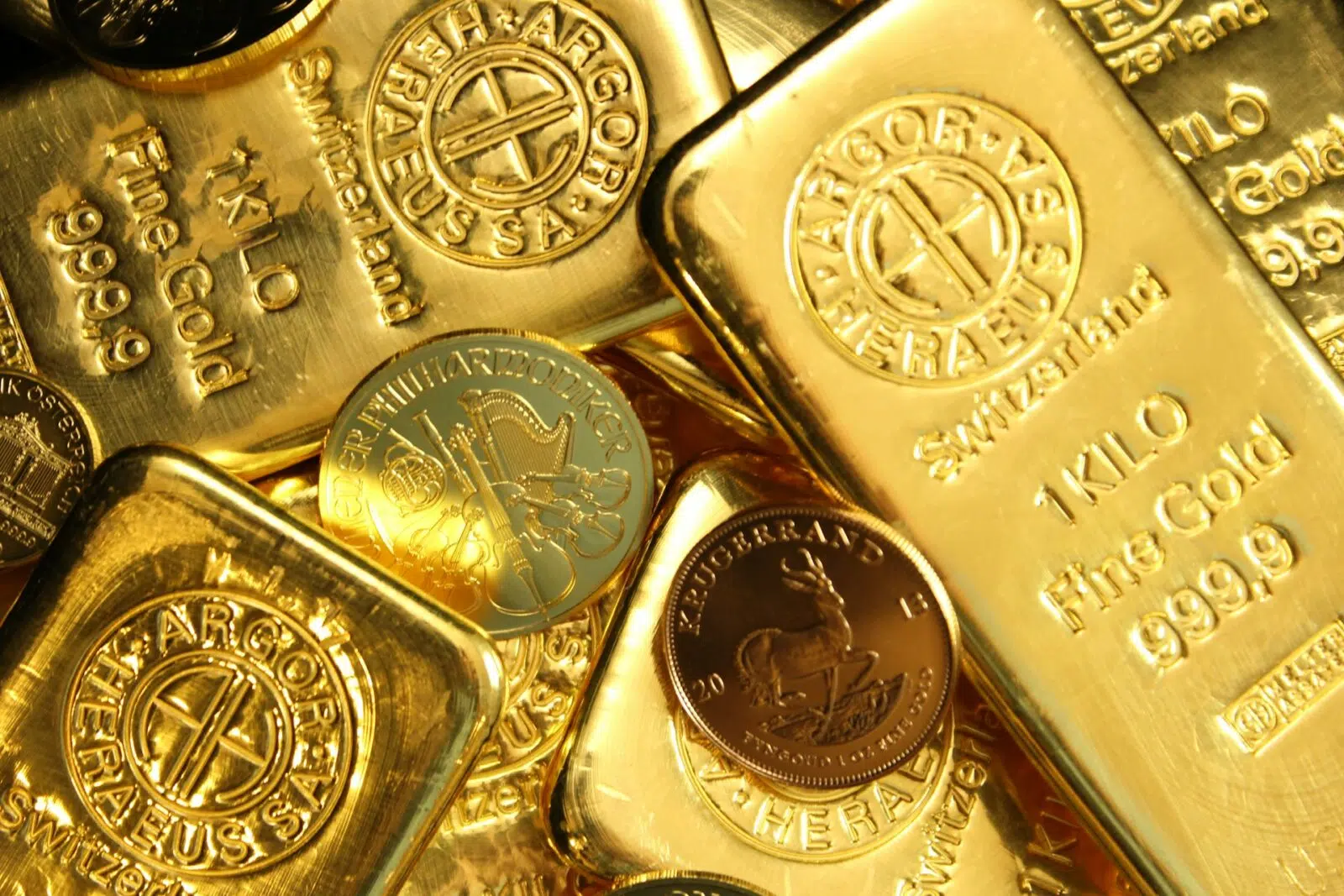
Gold prices rebounded sharply alongside silver, as investors rushed to buy the dip following one of the most violent pullbacks in the precious metals market in more than a decade. After last week’s abrupt collapse erased weeks of gains, bargain hunters returned in force, signaling that confidence in gold’s long-term narrative remains intact despite extreme short-term volatility.
Precious Metals Bounce After Record Slump
Spot gold surged as much as 6% to around $4,940 per ounce, rebounding from a brutal selloff that marked its steepest decline in over ten years. Silver outperformed, jumping more than 10% and reclaiming levels above $87 per ounce, as risk appetite improved across global markets and the US dollar softened.
The recovery follows an aggressive unwinding of what had become an overcrowded rally. In recent weeks, gold and silver surged to record highs amid fears surrounding geopolitical instability, currency debasement, and concerns over central bank independence. However, the pace of gains — particularly in silver — triggered warnings that prices had moved too far, too fast.
Why Dip Buyers Returned So Quickly
Despite the sharp correction, analysts argue that the fundamental drivers behind gold’s long-term uptrend remain firmly in place. Expectations for looser monetary policy, persistent geopolitical risks, and gold’s role as a portfolio hedge continue to support investor demand.
Market strategists note that while prices overheated in the short term, the broader macro backdrop has not materially changed. That belief appears to have emboldened investors who viewed the slump as an opportunity rather than a trend reversal.
Volatility Likely to Stay Elevated
While the rebound has been swift, analysts caution that volatility is far from over. The recent selloff and equally sharp recovery highlight a hypersensitive market driven by fast-moving headlines and emotional positioning rather than steady directional conviction.
Technical indicators also suggest a reset rather than a breakdown. Gold’s 14-day relative strength index (RSI) has cooled to more neutral territory after previously flashing extreme overbought signals. This reset may help stabilize prices in the near term, even as sharp swings remain likely.
China’s Role in the Gold Market
China is once again emerging as a key swing factor. Reports indicate that retail buyers flocked to bullion markets in Shenzhen, snapping up gold jewelry and bars ahead of the Lunar New Year. Seasonal demand often provides price support, although upcoming market closures and tighter controls by state-owned banks could temper speculative excess.
The degree to which Chinese investors continue buying into weakness will play a crucial role in determining whether the rebound has staying power or fades into another bout of turbulence.
Silver’s Wild Ride Highlights Speculative Risk
Silver’s outsized move underscores its reputation as the higher-beta cousin of gold. While the metal benefits from both investment demand and industrial use, it remains more vulnerable to leveraged positioning and rapid sentiment shifts. Analysts warn that while silver may continue to recover, its price action is likely to remain more erratic than gold’s.
Macro Factors Still Favor Precious Metals
Looking ahead, global monetary conditions remain supportive. With inflation risks lingering, debt levels rising, and little appetite for aggressive tightening from central banks, the backdrop continues to favor hard assets. Several major banks have reiterated long-term bullish outlooks for gold, even as they acknowledge near-term instability.
Geopolitical developments also remain in focus. Investors are closely watching diplomatic signals in the Middle East, as any easing of tensions could temporarily reduce safe-haven demand, while renewed friction would likely reignite buying interest.
Correction or Reset, Not the End of the Trend
The latest rebound in gold and silver suggests that last week’s plunge was more of a corrective reset than a structural breakdown. While the precious metals market is clearly navigating an uncomfortable phase of heightened volatility, the underlying drivers of the multi-year rally remain intact.
For investors, the message is clear: sharp swings may persist, but as long as economic uncertainty, geopolitical risks, and accommodative monetary expectations endure, gold and silver are unlikely to lose their strategic appeal. The road ahead may be bumpy, but the long-term case for precious metals is far from broken.