
Precious metals have staged a historic rally, but one standout is stealing the spotlight. While gold has climbed to record highs and reaffirmed its role as a safe-haven asset, silver has surged even faster—delivering gains that dwarf gold’s already impressive performance. For investors, the question is no longer whether precious metals are in demand, but why silver outperforming gold has become one of the most striking market trends of the year.
Understanding this divergence matters before making any investment decision. Silver behaves differently from gold, responds to additional economic forces, and carries its own risks and rewards. As prices push into uncharted territory, knowing what’s driving silver’s momentum—and whether it can last—is critical.
Gold and Silver Reach New Highs—But Silver Leads
Both gold and silver have benefited from a rare alignment of economic and geopolitical pressures. Gold recently surged more than 70% year over year, fueled by inflation concerns, rate-cut expectations, and geopolitical risk. Silver, however, has gone much further—posting gains well above 130% over the same period.
This dramatic gap explains why silver outperforming gold has become a central topic among commodity investors. While gold’s move reflects stability and capital preservation, silver’s rally suggests something more dynamic is at work.
The Historical Pattern Behind Silver’s Catch-Up Rally
Historically, silver tends to lag gold in the early stages of precious metals bull markets. Gold usually moves first as investors seek safety. Once gold establishes momentum, silver often follows—sometimes explosively.
That pattern appears to be repeating. Over the past several years, silver underperformed gold despite similar macro tailwinds. When investor confidence finally shifted, silver prices surged rapidly to close the performance gap. This late-cycle acceleration is a key reason silver outperforming gold is not entirely unexpected.
The Gold-to-Silver Ratio Tells the Story
One of the most closely watched indicators in precious metals markets is the gold-to-silver ratio—the number of ounces of silver required to equal the price of one ounce of gold.
Earlier this year, that ratio stood above 100-to-1, signaling that silver was historically undervalued relative to gold. Today, the ratio has compressed sharply, reflecting silver’s rapid ascent.
A falling ratio often coincides with periods when silver outperforming gold becomes the dominant market narrative, as investors rebalance exposure across the metals complex.
Silver’s Dual Role: Precious Metal and Industrial Asset
Unlike gold, silver has a split personality. It functions both as a store of value and as a critical industrial input. This dual role amplifies price movements—especially during periods of economic transition.
Silver is widely used in:
- Electronics and semiconductors
- Solar panels and renewable energy systems
- Medical devices
- Electric vehicles and charging infrastructure
As interest rates fall and financing conditions improve, industrial activity tends to accelerate. That dynamic adds another layer of demand on top of silver’s investment appeal, helping explain why silver outperforming gold is happening now.
Interest Rate Cuts Favor Silver’s Upside
Lower interest rates support precious metals broadly, but they often benefit silver more than gold. Gold’s appeal centers on preservation of value. Silver, by contrast, benefits from both lower borrowing costs and increased capital spending.
When rates decline:
- Manufacturers can finance expansion more cheaply
- Infrastructure and energy projects accelerate
- Demand for conductive materials like silver increases
This macro setup strengthens silver’s industrial demand at the same time investment demand rises—creating a powerful tailwind that reinforces silver outperforming gold.
Silver’s Volatility Cuts Both Ways
While silver’s gains are impressive, investors should understand that silver is inherently more volatile than gold. Its smaller market size and lower liquidity mean price moves tend to be sharper in both directions.
Gold is easier to buy and sell at scale, making it the preferred hedge for central banks and large institutions. Silver’s thinner market structure magnifies momentum, which helps explain its outsized rally—but also raises the risk of pullbacks.
This volatility is one reason silver outperforming gold often occurs late in precious metals cycles rather than early on.
Physical Supply Constraints Are Adding Fuel
Silver markets have also faced supply challenges. Mining output has struggled to keep pace with rising industrial demand, while inventories in key trading hubs remain unevenly distributed.
Recent disruptions and tightness in physical silver availability have amplified price moves. When investors shift from paper exposure to physical metal, price sensitivity increases dramatically—another factor contributing to silver outperforming gold.
Speculative Interest Is Rising—But So Is Real Demand
Silver’s rally has attracted speculative interest, but this move differs from past episodes driven purely by leverage. Analysts note that physical demand remains strong, supporting prices even as futures trading volumes rise.
This combination—speculation layered on top of genuine supply-demand imbalance—creates momentum that is harder to reverse quickly. It also suggests silver’s performance isn’t solely the result of short-term trading enthusiasm.
How Silver Differs From Gold as an Investment
Before investing, it’s important to understand how silver compares to gold:
| Feature | Gold | Silver |
|---|---|---|
| Primary role | Store of value | Store of value + industrial |
| Volatility | Lower | Higher |
| Liquidity | Very high | Moderate |
| Price swings | Gradual | More extreme |
Because of these differences, silver outperforming gold often appeals to investors with higher risk tolerance or shorter time horizons.
Ways to Invest in Silver
Investors can gain exposure to silver through several avenues:
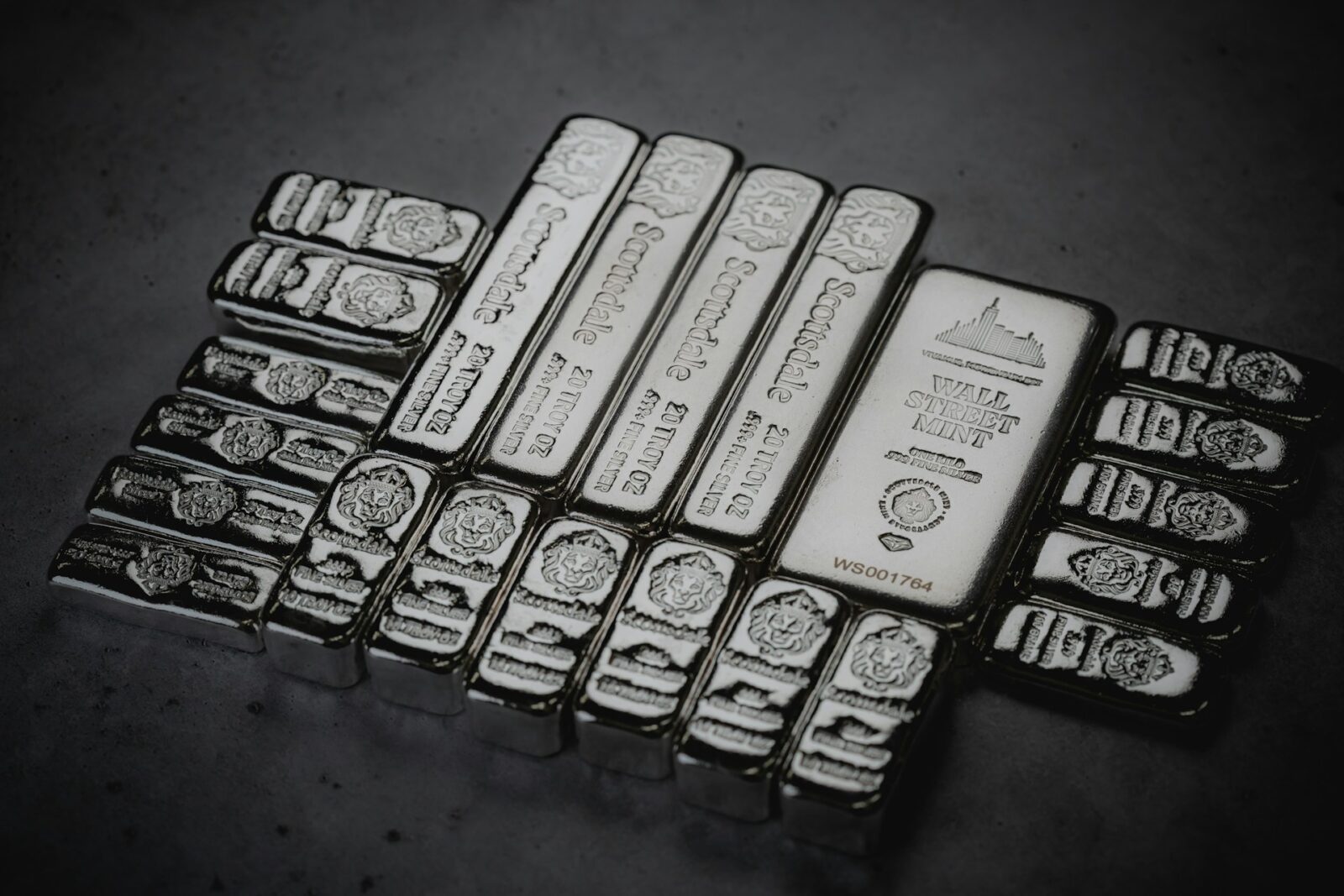
- Physical silver (bars, coins, jewelry)
- Exchange-traded funds (ETFs)
- Futures contracts
- Mining stocks
Each approach carries different risks related to liquidity, leverage, storage, and operational performance. Physical ownership offers direct exposure but requires secure storage. ETFs and futures offer convenience but introduce market and counterparty risk.
Is It Too Late to Invest in Silver?
The most common concern right now is timing. With silver at record highs, some investors worry they may be chasing performance.
While short-term pullbacks are possible—especially given silver’s volatility—the broader drivers behind silver outperforming gold remain intact: lower rates, industrial demand, supply constraints, and investor diversification.
For long-term investors, silver may still play a role as part of a diversified allocation rather than a short-term trade.
Conclusion
The surge in silver outperforming gold reflects a rare convergence of forces: historic precious metals momentum, falling interest rates, industrial demand tied to the energy transition, and tightening supply conditions. Silver’s dual identity as both an investment asset and an industrial material has allowed it to capitalize on trends that gold alone cannot fully capture.
That said, silver’s strength comes with higher volatility and risk. Investors considering exposure should weigh their time horizon, risk tolerance, and overall portfolio strategy carefully. In today’s environment, silver is no longer just following gold—it is asserting its own powerful narrative within the precious metals market.